Quick Takeaways:
- Most solar panels are designed to last 25–30 years, and many systems in Hawaii continue performing well beyond that.
- Hilo’s tropical climate—heavy rainfall, high humidity, and coastal salt air—affects solar system components differently than dry mainland climates, though quality equipment is built to handle it.
- Inverters typically need replacement every 10–15 years, while mounting hardware, wiring, and batteries each have their own expected timelines.
- Routine cleaning and annual inspections go a long way toward protecting your system and keeping production steady.
- Warning signs like climbing electricity bills, visible panel damage, or a sudden drop in energy output may signal that your system needs attention or upgrades.
- With Hawaii’s electricity rates among the highest in the country and strong solar incentives still available, solar ownership in Hilo is a long-term investment that keeps paying off.
Why Hilo Homeowners Ask About Solar Lifespan
If you’ve been thinking about solar for your home in Hilo—or if you already have a system and you’re wondering how many more years it has in it—you’re asking exactly the right question. Solar is a significant investment, and understanding how long your equipment will last helps you plan ahead, budget for maintenance, and get the most out of every panel on your roof.
Hilo is a fascinating place to own solar. We get more rainfall than almost anywhere else in the United States, the air along the coast carries salt, and the humidity is something you just live with here. That combination raises fair questions about how well solar equipment holds up over time. The good news is that modern solar systems are built to handle tropical conditions—but there are real differences between a well-maintained system and one that’s been left to chance.
This guide covers everything you need to know about solar panel lifespan in our area, from how panels degrade over time to what the different components of your system can be expected to do, and when it makes sense to consider replacing or upgrading equipment.
How Long Do Solar Panels Last?
The standard answer you’ll find across the industry is 25 to 30 years. Most reputable solar panel manufacturers design their products to maintain at least 80% of their original power output after 25 years of operation. Some of the higher-quality panels on the market today are rated to perform well beyond that.
That said, “lasting” doesn’t mean the panels simply stop working one day when the warranty expires. Solar panels don’t have an expiration date in the traditional sense. What happens over time is a gradual reduction in output called degradation. Your panels will still produce electricity at year 30—just a little less than they did in year one.
The real question for Hilo homeowners isn’t just “how long will the panels work,” but “how well will they perform over time in our specific climate?” That’s where the details of Hawaii’s tropical environment come into play.
Solar Panel Degradation Rates Explained
Solar panel degradation is the gradual loss of efficiency that happens as panels age. Industry data generally puts the average degradation rate at around 0.5% to 0.8% per year for quality panels. Premium panels from established manufacturers often degrade at the lower end of that range, closer to 0.3% to 0.5% annually.
Here’s what that looks like in practice: if your panels produce 100% of their rated capacity on day one, they might produce around 87% of that capacity after 25 years at a 0.5% annual degradation rate. That’s still a meaningful amount of energy—and still saving you money every month compared to paying full retail electricity rates.
A few factors can push degradation higher than average. Prolonged heat exposure, physical stress from weather events, and moisture infiltration into panel components are common causes of faster-than-expected decline. In Hawaii, the intense UV radiation is worth paying attention to, as UV stress can accelerate certain types of panel degradation over time. This is one reason that choosing quality panels with strong UV resistance ratings matters more here than it might in, say, a cloudier Pacific Northwest climate.
Most quality solar panels also come with a “power output warranty” separate from the product warranty—guaranteeing a minimum performance level (usually 80 to 90 percent of original output) at the end of 25 years. Understanding both warranties before you purchase is worth your time.
How Hilo’s Climate Affects Solar Panel Durability
Let’s talk honestly about what Hilo’s climate means for your solar system, because it’s a unique environment that anyone who’s spent time here already knows well.
Heavy Rainfall
Hilo is one of the rainiest cities in the United States, receiving well over 100 inches of rain annually. Rain is generally a friend to solar panels—it rinses off surface dirt and dust that would otherwise accumulate and reduce output. The concern isn’t the rain itself but the combination of moisture, heat, and humidity over many years, which can affect junction boxes, wiring, and mounting hardware if the installation isn’t done properly or if components aren’t rated for wet tropical conditions.
A system that was installed with proper weatherproofing and high ingress protection (IP) ratings will handle Hilo’s rainfall season after season without issue. This is an area where the quality of the installation matters just as much as the quality of the equipment.
Humidity
Persistent humidity is one of the trickier elements for solar system longevity. Over time, moisture can work its way into unsealed connections, panel frames, and electrical components. This is sometimes called “potential-induced degradation”—a form of panel degradation accelerated by moisture and certain electrical conditions. Reputable manufacturers have developed panel designs that resist this type of degradation, and using properly rated components throughout the system provides a strong defense against moisture-related issues.
From a maintenance standpoint, regular inspections of your wiring, conduit, and junction boxes are worth doing in Hilo’s humidity—more so than in drier climates.
Salt Air
Homes near the coast in Hilo—and many neighborhoods in Hilo proper sit close enough to feel that ocean influence—deal with salt air that can accelerate corrosion on metal components. Aluminum panel frames, mounting hardware, and electrical enclosures are all susceptible if they’re not made from marine-grade or anodized materials.
When selecting solar equipment for Hilo, this is a real factor to discuss with your installer. Corrosion-resistant hardware isn’t optional here—it’s the kind of detail that separates a system that performs well at year 20 from one that’s showing signs of wear far earlier.
Cloud Cover and UV Exposure
Hilo’s notoriously overcast days might make some homeowners nervous about solar production, but here’s the fuller picture: diffuse light on overcast days still generates electricity, and when the sun does shine—which happens plenty, particularly in the afternoons and during the drier stretches—the UV intensity at this latitude is significant. Tropical UV levels accelerate panel weathering more quickly than temperate climates, which is one reason that panels with strong UV-resistance ratings and robust encapsulant materials are worth the investment here.
Production in Hilo tends to be more consistent than in places with extreme seasonal swings. You don’t get the long summer days of Alaska or the scorching dry heat of Arizona, but you get a steady, year-round supply of solar resource that adds up meaningfully over 25-plus years.
Solar System Components and Their Expected Lifespans
Your solar system is made up of several components, each with its own lifespan. Understanding what they are and when they might need attention gives you a clearer picture of long-term ownership costs.
Solar Panels: 25 to 30+ Years
As covered above, quality solar panels are designed to last 25 to 30 years and often continue producing energy well beyond that. Panel replacement is usually the last thing homeowners need to worry about—the other components in your system are more likely to need attention first.
Solar Inverters: 10 to 15 Years
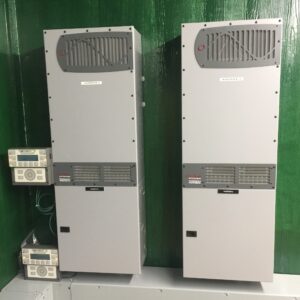
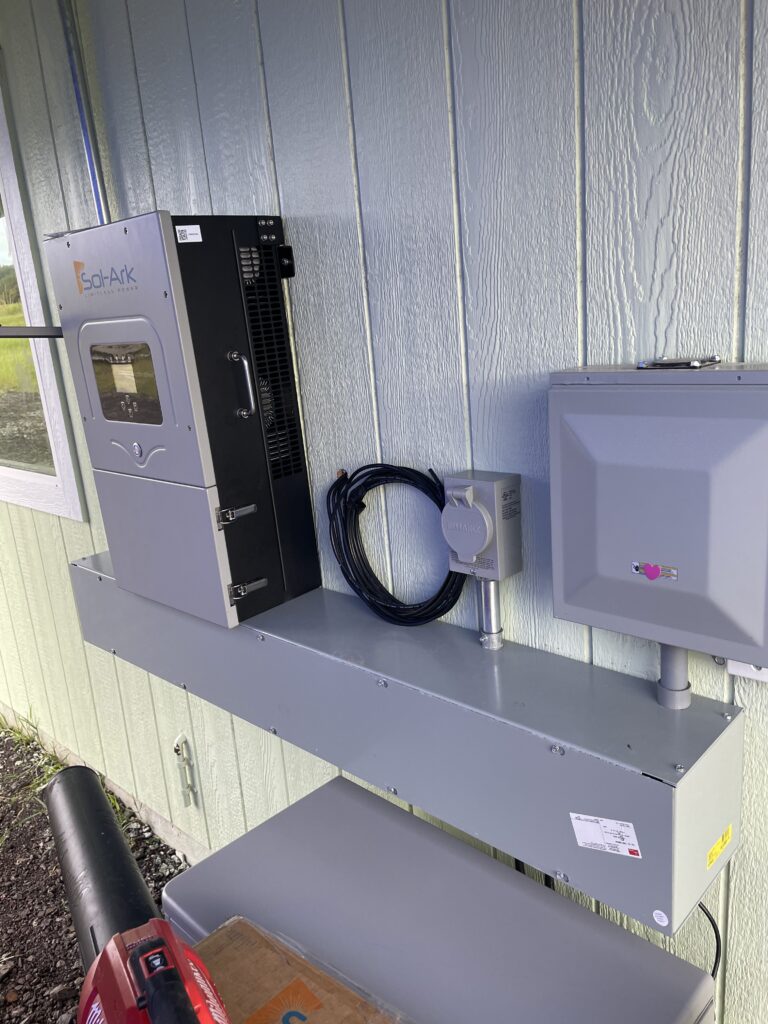
The inverter is the device that converts the DC electricity your panels produce into the AC electricity your home uses. It’s often described as the hardest-working component in the system, and that’s accurate. Standard string inverters typically last 10 to 15 years before needing replacement. Microinverters and power optimizers, which are smaller units installed on individual panels, often carry 25-year warranties and are designed to match the lifespan of the panels themselves.
Planning for at least one inverter replacement during the life of your solar system is a reasonable expectation with a traditional string inverter setup. For a system installed today, that replacement cost is often lower than it was a decade ago, as inverter technology has matured and prices have come down.
Mounting Systems: 25 to 30+ Years
Quality racking and mounting hardware should last as long as your panels—assuming it was installed correctly and made from materials appropriate for Hawaii’s climate. In Hilo, this means stainless steel fasteners, anodized aluminum rails, and hardware that won’t corrode under coastal conditions. Periodic inspection of mounting hardware is a good practice, particularly after severe weather events.
Hawaii’s tropical storm season is something to keep in mind. While direct hurricane landfalls are uncommon, the wind loads that come with tropical storms and strong trade winds are real. Systems that are properly engineered and permitted for Hawaii’s wind conditions are far more likely to come through these events without damage.
Solar Batteries: 10 to 15 Years
Battery storage systems—like those used in solar-plus-storage setups that are increasingly popular in Hawaii—have a shorter lifespan than panels. Most residential lithium-ion batteries are rated for 10 to 15 years, or a specified number of charge cycles. After that period, the battery’s usable capacity will have degraded enough that replacement makes sense.
For Hilo homeowners, battery storage is a particularly worthwhile addition given Hawaii’s high electricity rates and the state’s evolving net energy metering policies. A battery backup also provides resilience against the power outages that can come with heavy rain, flooding, or grid disruptions.
Wiring and Electrical Components: Variable
Wiring, conduit, and electrical connections are not often discussed in solar lifespan conversations, but they matter in Hilo’s climate. UV exposure can degrade outdoor-rated wiring over time, and moisture can work its way into poorly sealed conduit runs. High-quality, properly rated wiring with well-sealed conduit should last the life of the system—but it’s worth having a qualified solar contractor inspect these components every few years.
Maintaining Your Solar System in a Tropical Climate
Solar systems are often marketed as low-maintenance, which is mostly true—but “low maintenance” is different from “no maintenance.” In Hilo’s environment, a few consistent habits can make a real difference in how your system performs over its lifetime.
Cleaning Your Panels
Hilo’s frequent rain does a reasonable job of keeping panels clean compared to drier climates where dust accumulates quickly. That said, biological growth is the bigger concern here. Algae, moss, bird droppings, and organic debris are common in tropical settings and can accumulate on panel surfaces over time, reducing light transmission and output.
For most homes in Hilo, a professional cleaning once or twice a year is a reasonable cadence. Panel cleaning should be done with soft brushes or squeegees and plain water—abrasive materials or harsh chemicals can scratch or damage panel surfaces and void warranties. Avoid cleaning panels in the middle of the day when they’re hot; early morning or late afternoon is better.
Annual Inspections
Having a qualified solar energy company in Hilo perform an annual inspection of your system is one of the best investments you can make in its long-term performance. A thorough inspection should include checking all wiring connections, inspecting mounting hardware for corrosion or looseness, verifying that the inverter is operating normally, reviewing production data, and visually inspecting each panel for cracks, discoloration, or delamination.
Many performance issues can be caught early and addressed inexpensively if they’re identified before they cause larger problems. A wire that’s beginning to chafe, a corroding connection, or a panel with a developing microfault can all be fixed cheaply if caught early.
Monitoring Your System
Most modern solar systems include monitoring software that lets you track daily, monthly, and annual production from your phone or computer. Monitoring your production patterns over time helps you notice if output drops unexpectedly—which can signal shading issues, a failing panel or inverter, or other problems worth investigating.
If your monthly production drops noticeably without an obvious explanation (like an extended period of unusual cloudiness), it’s worth calling your solar contractor for a checkup.
Trimming Vegetation
In Hilo, things grow fast. Shade from trees and plants that weren’t a problem when your system was installed can become a real issue within a few years. Checking periodically that trees and vegetation haven’t grown to shade your panels is a simple maintenance task that’s easy to overlook.
Solar Panel Warranties in Hawaii: What to Know Before You Buy
Solar panel warranties in the industry typically come in two forms, and both are worth understanding before you sign a purchase agreement.
The product warranty (also called the materials warranty) covers manufacturing defects and typically runs 10 to 25 years depending on the manufacturer. This covers things like delamination, frame damage from manufacturing issues, and failed junction boxes—situations where the panel fails due to a defect rather than normal wear.
The power output warranty (or performance warranty) guarantees that your panels will produce at least a certain percentage of their original rated output over a specified period—typically guaranteeing at least 80% of original output after 25 years.
When reviewing warranties, a few things are worth checking: whether the manufacturer has a strong track record and is financially stable (a warranty is only as good as the company standing behind it), what the process is for making a warranty claim, and whether the warranty terms change if you sell your home. Many solar panel warranties are transferable to new owners, which is a selling point if you ever decide to move.
Inverter warranties typically run 5 to 10 years for standard string inverters, with options to purchase extended warranties. Microinverters and power optimizers from reputable brands often carry 25-year warranties—one of their key selling points.
Signs Your Solar System May Need Repairs or Upgrades
Even with good maintenance, solar systems sometimes need attention. Here are the most common signs that something in your system may need professional evaluation:
- Your monthly electricity bill has increased without a corresponding increase in usage. This is often the first sign homeowners notice when their system isn’t performing as expected.
- Your monitoring system shows production that’s notably lower than it was in previous months or years, beyond what seasonal variation would explain.
- You can see visible damage on your panels—cracks, chips, yellowing, or discoloration (sometimes called “browning” or “blistering”), all of which can affect output and may indicate a need for replacement.
- Your inverter is showing fault codes, warning lights, or error messages. Inverters often signal problems before they fail completely.
- Your system is more than 15 years old and you haven’t had a professional inspection recently. Systems of this age may benefit from a full evaluation, especially the inverter and any battery storage.
- You’ve added significant electrical loads to your home (an EV charger, a new AC unit, a hot tub) and your existing system isn’t keeping up. This may be a candidate for a system expansion rather than a replacement.
When Should Hilo Homeowners Consider Upgrading Their Solar System?
Upgrading doesn’t always mean replacing everything. In many cases, targeted upgrades can significantly improve system performance and extend its useful life.
Inverter upgrades are among the most common. If your string inverter is reaching the end of its expected service life, replacing it with a newer model—or converting to microinverters or power optimizers—can restore performance and add smart monitoring capabilities that older systems lack.
Adding battery storage to an existing solar system is another upgrade that makes particular sense in Hawaii. With the state’s grid modernization and evolving net energy metering policies, storing your solar energy for use at night or during outages has become more valuable than it was when many older systems were installed.
Panel upgrades are less common but worth considering if your existing panels are significantly degraded, if you’ve lost panels to weather damage, or if advances in panel efficiency mean that replacing older panels with modern ones significantly increases your system’s output from the same roof space. This kind of evaluation makes the most sense when paired with a thorough energy audit of your home’s current usage.
Why Solar Is Still a Strong Long-Term Investment in Hilo
Hawaii consistently has some of the highest electricity rates in the United States. Residents in Hilo and across the Big Island regularly pay well above the national average for electricity. That context is the backdrop for every conversation about solar in Hawaii: the more expensive grid electricity gets, the more valuable every kilowatt-hour your system produces becomes.
A solar system installed today with quality components has a reasonable expectation of producing significant value for 25 to 30 years. Even accounting for component replacement costs like an inverter swap midway through the system’s life, most Hilo homeowners who go solar recover their investment well within the system’s expected lifespan—often within 6 to 10 years, depending on system size and household usage.
Hawaii also continues to offer incentives that improve the financial case for solar. The federal Investment Tax Credit (ITC) allows homeowners to deduct a percentage of their solar installation costs from their federal taxes. Hawaii has its own state income tax credit as well. These incentives reduce upfront costs and improve the return on investment over the system’s lifetime.
Beyond the financial case, there’s a resilience argument for solar in Hilo that’s hard to ignore. The Big Island has experienced grid disruptions from volcanic activity, storms, and infrastructure challenges. A solar-plus-battery system provides a meaningful layer of energy independence that grid-only households simply don’t have.
Owning solar in Hilo means thinking differently about your electricity. Instead of an ongoing monthly expense that trends upward over time, you have an asset on your roof that produces value every day—in sun and even in cloud.
Frequently Asked Questions About Solar Lifespan in Hawaii
How long do solar panels last in Hawaii specifically?
Solar panels installed in Hawaii typically last 25 to 30 years, consistent with the industry standard. Hawaii’s intense UV radiation can accelerate degradation slightly faster than in some mainland climates, which is why choosing panels with strong UV resistance and a low degradation rate matters. Proper installation with corrosion-resistant hardware and regular maintenance helps systems reach their full expected lifespan.
Does Hilo’s rain actually help or hurt solar panels?
Rain is generally neutral to mildly beneficial for solar panels—it keeps the surfaces cleaner than they would be in a dry climate. The concern in Hilo isn’t the rainfall itself but the sustained humidity and the quality of the installation’s weatherproofing. A well-installed system with properly rated components handles Hilo’s rainfall without issue.
How often should I have my solar system inspected in Hawaii?
An annual inspection by a qualified solar energy company in Hilo is a reasonable standard for most residential systems. After any significant weather event—heavy winds, flooding, or storm activity—it’s worth doing a visual check yourself and contacting your solar contractor if you notice anything that looks out of place.
What is the most common solar component that needs replacement?
The inverter is the component most likely to need replacement before the rest of the system. Standard string inverters typically last 10 to 15 years. Microinverters often come with 25-year warranties and are designed to last as long as the panels.
Do solar panels still work when it’s cloudy in Hilo?
Yes—solar panels produce electricity from diffuse light, not just direct sunlight. On overcast days, output is reduced compared to full sun, but the system is still producing. Hilo’s cloud patterns are well-documented, and solar design tools account for local irradiance data when sizing a system. Most Hilo homeowners find that their systems produce more than they expected, even with the clouds.
Ready to Talk Solar With a Team That Knows Hilo?
If you’ve been thinking about going solar, want to know how your existing system is holding up, or have questions about adding battery storage, Solar Saint is here to help. We work with homeowners throughout the Hilo area and across the Big Island, and we know firsthand what it takes for a solar system to perform well in Hawaii’s tropical climate. That knowledge doesn’t come from a training manual—it comes from years of installing, servicing, and standing behind solar systems in the same neighborhoods, under the same rain, salt air, and trade winds that your home deals with every single day.
Whether you’re starting from scratch or looking to get more out of a system you already have, we’d love to talk through your options honestly. If your existing system is aging and you’re not sure whether it’s still performing the way it should, we can take a look and give you a straight assessment—no pressure to buy anything, just an honest evaluation from people who know what healthy system performance looks like in Hilo’s environment. If you’re exploring solar for the first time and you’re not sure where to begin, we’ll start at the beginning and walk through everything at whatever pace makes sense for you.
We understand that going solar is a significant decision, and we don’t take lightly the trust homeowners place in us when they invite us onto their roofs and into their homes. Every system we design is tailored to the specific property, the specific roof, and the specific energy needs of the household we’re working with. We don’t cut corners on equipment selection, we don’t rush installations to hit a daily quota, and we don’t disappear after the system turns on. Our reputation in this community is built one installation at a time, and we intend to keep earning it.
Solar Saint is your trusted solar contractor in Hilo that homeowners have counted on for quality solar installations and honest advice. Reach out to us today and let’s have a real conversation about what solar looks like for your home. We’ll give you the information you need, answer every question you bring to the table, and help you move forward with confidence—whether that’s this week or six months from now.