Quick Takeaways:
- Going solar in Hilo involves several steps—from an initial energy assessment to system design, permitting, installation, and utility interconnection—and a qualified solar contractor walks you through all of them.
- Hawaii’s unique grid rules, permitting requirements, and utility interconnection process are different from mainland states, making local expertise genuinely valuable.
- Understanding your household’s energy usage before going solar helps you size your system correctly and set realistic expectations for savings.
- Hilo’s mix of roof styles, tree cover, and neighborhood conditions means system design needs to be tailored to your specific property—not copied from a template.
- Hawaii offers both federal and state tax incentives for solar that can significantly reduce your upfront costs, but claiming them correctly requires attention to detail.
- Choosing the right solar contractor in Hilo matters more than most homeowners realize—the quality of the installation has a direct impact on how your system performs for decades.
Why Going Solar in Hilo Is Different From Going Solar Anywhere Else
There’s a version of the solar sales pitch that makes the whole process sound simple: fill out a form, someone shows up, panels go on your roof, your bill drops. If you’ve lived in Hilo for any length of time, you already know that nothing involving permits, utilities, and tropical weather conditions is ever quite that straightforward.
That’s not a complaint—it’s just reality. And it’s exactly why working with a solar contractor who knows Hilo and the Big Island specifically makes such a meaningful difference. The local permitting landscape, the Hawaii Electric Light Company (HELCO) interconnection process, the weather patterns across different parts of town, the roof types common in our neighborhoods—all of it shapes what a good solar installation looks like here.
This article walks through what the solar process actually looks like in Hilo from start to finish, what questions to ask before you commit, and what to watch out for along the way. Whether you’re just starting to think about solar or you’re ready to get serious, this is the context that will help you make a confident decision.
Step One: Understanding Your Energy Needs Before You Buy Anything
Before a single panel goes on your roof, the most valuable thing you can do is understand your household’s electricity usage. This sounds basic, but a surprising number of solar purchases are made without a clear picture of what the system actually needs to accomplish.
Your electricity bills tell a story. The average monthly kilowatt-hour consumption at your home, how that usage varies across the year, and which appliances or systems are driving your highest bills all shape what size of solar system makes sense. A home with a heat pump water heater, central AC, and a plug-in vehicle is going to have very different solar needs than a modest home with window units and a gas range.
A qualified solar energy company in Hilo will do this analysis with you before proposing a system size. If a contractor skips this step and goes straight to a quote based on your address and square footage alone, that’s worth noticing.
Hawaii’s electricity rates are among the highest in the country, which means even a modest solar system produces significant savings here. But sizing matters. A system that’s too small leaves savings on the table. A system that’s too large may run into limitations under HELCO’s current interconnection rules for certain programs. Getting the sizing right from the start is one of the most important things your solar contractor can do for you.
Step Two: A Site Assessment That Takes Hilo Seriously
Once your energy picture is clear, the next step is evaluating your actual property. This is where Hilo’s specific geography and climate come into the equation in a real way.
Roof Condition and Type
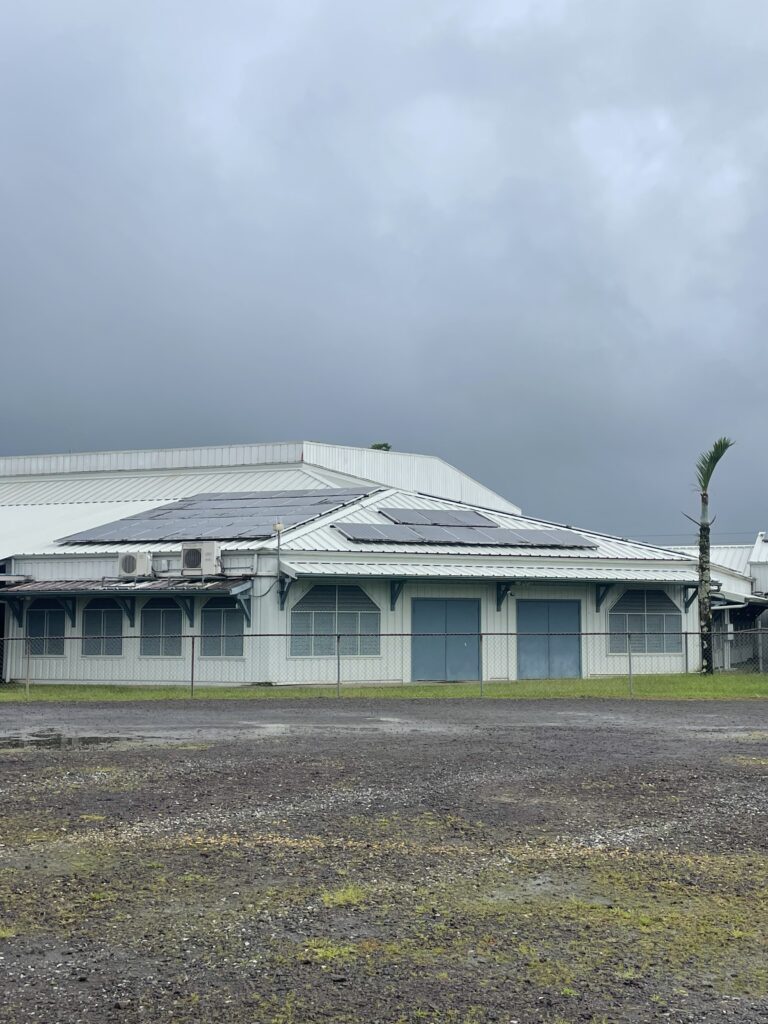
The variety of roof types you’ll find across Hilo neighborhoods is worth mentioning. Older plantation-style homes, modern builds in subdivisions above town, homes in areas like Waiakea, Keaukaha, and Puna—they span everything from aging corrugated metal roofs to contemporary standing seam metal and composition shingles. Each roof type has different mounting requirements, different considerations for weatherproofing, and different load-bearing characteristics.
Before any system is designed, your roof’s condition should be honestly assessed. Installing solar on a roof that has five or fewer years of useful life left is a common and costly mistake. A roof replacement after the solar system is already installed means paying to remove and reinstall the panels—an expense that’s entirely avoidable with upfront planning.
Shading and Sun Exposure
Hilo’s lush vegetation is one of the things that makes it beautiful, and it’s also one of the most common causes of underperforming solar systems. Trees that were nowhere near your roofline five years ago may now be casting partial shade across your south-facing panels for several hours each day. Mature mango trees, monkey pod trees, and Norfolk pines are all common culprits.
A proper site assessment includes shading analysis using tools that map sun angles across your roof throughout the year—not just a quick look from the driveway. Areas of the roof that look unobstructed in December may deal with significant afternoon shade in June, and that affects which roof sections should be used and how the system should be wired.
Roof Orientation and Pitch
In Hilo, south-facing roof sections produce the most solar energy, but east- and west-facing panels can still contribute meaningfully. The pitch of your roof affects both energy production and the type of mounting system needed. Flat or low-pitched roofs require different racking approaches than steep-pitched roofs. All of this feeds into the system design that will actually work for your home.
Step Three: System Design That Fits Your Home and Hilo’s Conditions
System design is where a knowledgeable local solar contractor earns their keep. A solar system designed for a home in a dry, sunny part of Arizona and a system designed for a home in Hilo should look different—both in equipment selection and in how the system is configured.
Panel Selection
Not all solar panels are created equal, and the differences matter more in Hawaii than in many places. High-quality panels with strong UV resistance ratings, robust encapsulant materials, and low degradation rates are worth the investment in a tropical climate. Look for panels with IP68-rated junction boxes, which means they’re sealed against water ingress—relevant in an area that regularly sees 10 or more inches of rain in a single month.
Monocrystalline panels are the dominant technology in residential solar today, offering high efficiency in a compact footprint. For homes with limited usable roof space—common in Hilo where tree cover or roof complexity limits ideal panel placement—higher-efficiency panels can make the difference in hitting your production target.
Inverter Options
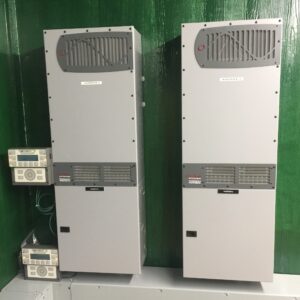
The inverter converts the DC power your panels produce into the AC power your home uses. Your choice of inverter technology shapes how your system performs, how easy it is to monitor, and how it handles partial shading.
String inverters connect all panels in a series and are cost-effective for simple roof configurations with minimal shading. Microinverters are installed on each individual panel and are better suited for complex roof layouts or homes with shading from vegetation, since each panel operates independently. Power optimizers offer a middle ground—panel-level optimization with a central inverter. For many Hilo homes where shading and roof complexity are common, microinverters or power optimizers often make more sense than a single string inverter.
Battery Storage Considerations
Solar battery storage is increasingly part of the conversation for new solar installations in Hawaii. With HELCO’s evolving policies around net energy metering and the value of self-consumption, batteries allow you to store the solar energy your system produces during the day and use it at night rather than sending it to the grid.
For Hilo homeowners, batteries also provide backup power during outages—which, given the Big Island’s history with volcanic activity, severe weather, and grid disruptions, is a practical consideration rather than just a nice-to-have. A properly sized battery can keep your critical loads running during short outages and provide peace of mind that pure grid-tied systems simply can’t offer.
Step Four: Permitting and Utility Interconnection in Hawaii
This is the part of the solar process that surprises many homeowners who expected things to move faster. Hawaii takes solar permitting seriously, and for good reason—these are electrical systems attached to homes in a state with its own building codes, wind load requirements, and utility grid rules.
Building Permits
Installing a solar system in Hilo requires a building permit from Hawaii County. The permitting process involves submitting detailed plans, getting them reviewed and approved, completing the installation, and passing a final inspection. The timeline can vary depending on permit office workload, but it’s a process that takes weeks, not days.
A licensed solar contractor handles all of this on your behalf. Attempting to pull your own permits or work with a contractor who isn’t properly licensed in Hawaii is a shortcut that can create serious problems—including an inability to get utility interconnection approval or claim tax incentives.
HELCO Interconnection
After your system passes county inspection, it needs to be interconnected with the HELCO grid before it can legally operate. This involves submitting an interconnection application, HELCO reviewing and approving it, and receiving permission to operate (PTO). The interconnection timeline has improved over the years, but it’s still a meaningful part of the overall project timeline.
Your solar contractor should be familiar with HELCO’s current interconnection programs, application requirements, and typical timelines. The rules around which programs are available, what sizes of systems qualify, and how excess energy is credited have evolved over time—and keeping up with those details is part of what you’re paying a local solar professional for.
Step Five: Installation Day and What Comes After
The actual installation of a residential solar system typically takes one to three days for most homes. Your contractor’s crew will install the mounting hardware, attach the panels, run the wiring and conduit, install the inverter and any battery equipment, and complete the system connections.
A few things worth knowing about installation day in Hilo: weather matters. An experienced local crew will know how to work efficiently around afternoon rain showers, which are as reliable as anything on the east side of the Big Island. Rushing installation work to beat the weather is something to watch out for—good mounting and weatherproofing can’t be hurried without risk.
After installation comes the inspection, interconnection approval, and then finally permission to turn the system on. The gap between installation completion and actually generating electricity can feel frustrating, but it’s a necessary part of doing things correctly in Hawaii.
Once your system is operating, your contractor should walk you through how to use your monitoring software, what normal production looks like for your system, and who to contact if something seems off.
Hawaii Solar Incentives: What’s Available and How to Use Them
Hawaii’s incentive structure for solar is one of the better ones in the country, and taking full advantage of it meaningfully reduces the cost of going solar.
Federal Investment Tax Credit (ITC)
The federal Investment Tax Credit allows homeowners to deduct a percentage of the cost of their solar installation from their federal income taxes. This applies to the full cost of the system, including equipment, labor, and permitting fees. The credit applies in the year the system is placed in service—meaning the year it receives permission to operate and begins generating electricity.
Consulting with a tax professional about how the ITC applies to your specific situation is a sensible step. The credit can be carried forward if your tax liability in a given year is less than the credit amount.
Hawaii State Tax Credit
Hawaii offers its own state income tax credit for solar installations, which is separate from the federal credit and applies to Hawaii state taxes. The combination of federal and state credits makes solar economics in Hawaii meaningfully more favorable than in states with no state-level incentive.
There are caps and rules around the Hawaii credit that apply depending on your system type and property. A solar contractor familiar with Hawaii’s incentive structure should be able to give you a general picture, but confirming the specifics with a tax professional before you finalize your purchase is always worth doing.
Net Energy Metering and Self-Supply Programs
HELCO offers different programs for solar customers depending on when they applied and what’s currently available. Net energy metering, which credits excess solar production against your electricity bill, has been modified over the years as the grid has seen increasing solar penetration. The current options for new solar customers in Hilo may differ from what was available a few years ago.
Understanding which interconnection program you’ll be enrolling in and what the compensation rate for excess energy looks like is part of what your solar contractor should explain clearly before you sign anything.
What to Look For in a Solar Contractor in Hilo
Not every solar company that does business in Hawaii operates at the same standard. When you’re choosing who to work with, a few things are worth evaluating carefully.
Licensing and Insurance: A solar contractor in Hawaii should hold a valid C-61 specialty contractor’s license (electrical) or work with licensed subcontractors, carry general liability insurance, and be properly registered with the state. This isn’t optional—it’s the baseline.
Local Experience: Companies that have been operating in Hilo and on the Big Island for years understand the local permitting process, HELCO’s requirements, the roofing conditions common in our neighborhoods, and the climate realities that affect equipment selection. That experience is different from a national company that dispatches crews to Hawaii without deep local roots.
Transparent Proposals: A good solar proposal shows you exactly what equipment is being used, how the system was sized, what production estimates look like, how the financial analysis was done, and what the total cost is before incentives. If a proposal relies on vague promises or pressure to sign quickly, slow down.
References and Track Record: Asking for references from past customers in the Hilo area is entirely reasonable. A contractor who has done good work in your community will have homeowners who are happy to say so.
Post-Installation Support: The relationship with your solar contractor shouldn’t end when the system turns on. Knowing that you have someone to call if production drops, a component needs service, or you want to add battery storage down the road is part of what you’re investing in.
Common Questions Hilo Homeowners Ask Before Going Solar
How long does the whole process take, from signing a contract to a working system?
For most residential systems in Hilo, the full process from contract signing to permission to operate takes anywhere from 8 to 16 weeks. Permitting and interconnection timelines are the main variables. Your contractor should give you a realistic timeline based on current conditions rather than an optimistic estimate designed to close the sale.
Will solar actually offset my entire electricity bill?
It depends on your usage and system size. Many Hilo homeowners design their systems to offset a significant portion of their bill—80 to 100 percent—but this requires accurate sizing based on your actual usage. Keep in mind that HELCO’s current programs affect how excess production is credited, which factors into the financial picture.
Is my roof suitable for solar?
Most roofs in Hilo can accommodate solar with the right system design. The key variables are roof condition, available unshaded area, orientation, and structural soundness. A thorough site assessment will answer this question for your specific home. If your roof needs work before solar makes sense, an honest contractor will tell you.
What happens to my solar during a power outage?
A standard grid-tied solar system without battery storage will shut down during a grid outage—this is a safety requirement to protect utility workers. If backup power during outages is important to you, a battery storage system is the solution. This is a conversation worth having with your contractor upfront rather than after the system is already installed.
Can I add battery storage to an existing solar system?
In many cases, yes. Whether a battery can be added to an existing system depends on the inverter technology you have and the battery system being considered. Some older inverters are not compatible with current battery products, which may require an inverter upgrade. A solar contractor can assess your existing system and tell you what your options are.
Making a Confident Decision
Going solar is one of the largest purchases most homeowners make, and in Hilo, it’s one that genuinely pays off over the long run. Hawaii’s electricity costs, the strength of available incentives, and the year-round solar resource that even Hilo’s cloudy days can’t fully eliminate all work in your favor.
What makes the difference between a solar investment that performs beautifully for 25 years and one that disappoints is the quality of the contractor and the care that goes into every step of the process—from the initial energy analysis to the equipment selection to the installation details that nobody sees but that matter every day the system is operating.
Taking the time to understand the process, ask good questions, and choose a contractor with real local experience is the most valuable thing you can do before signing anything.
Talk to a Solar Contractor in Hilo Who Knows the Big Island
If you’re thinking about switching to solar energy—or you simply want clear, honest answers before making a decision—Solar Saint is here to help. As a dedicated solar contractor serving Hilo, our team understands the unique climate, energy needs, and utility considerations that homeowners on the Big Island face. We take the time to explain your options, evaluate your property, and provide guidance so you can feel confident about every step of the process.
Working with a local solar energy company makes a difference when it comes to designing a system that performs well in Hawaii’s tropical environment. At Solar Saint, we help homeowners across Hilo and surrounding Big Island communities reduce their reliance on rising electricity costs while increasing their home’s energy independence. Our approach focuses on high-quality solar equipment, efficient system design, and long-term reliability so you can enjoy clean, renewable power for years to come.
Whether you’re exploring solar panels for the first time or comparing installation companies, our team is ready to answer your questions and walk you through the possibilities. From initial consultation and system planning to installation and support, we aim to make the transition to solar simple and stress-free.
Reach out to the solar contractor Hilo homeowners trust—Solar Saint—and let’s talk about what a solar energy system could look like for your home and how much you could potentially save on your electricity bills.