Making the switch to solar energy for your home can feel overwhelming when you’re just starting to research your options. Between understanding the technology, calculating costs, and figuring out the installation process, there’s a lot to learn. This guide breaks down exactly how residential solar panels work and what you need to know as a homeowner considering this investment.
Understanding Solar Panel Technology for Homes
At their core, residential solar panels convert sunlight into electricity your home can use. Here’s the basic science: solar panels contain photovoltaic (PV) cells made from silicon. When sunlight hits these cells, it creates an electrical current through a process called the photovoltaic effect.
Each solar panel on your roof contains dozens of these PV cells working together. When multiple panels are connected, they form a solar array that generates enough power to run your home’s appliances, lights, heating, and cooling systems.
The electricity produced by solar panels is direct current (DC) power, but your home runs on alternating current (AC) power. That’s where the inverter comes in—it converts the DC electricity from your panels into AC electricity your home can use immediately.
The Main Components of a Home Solar System
A complete residential solar system includes several working parts beyond just the panels you see on the roof:
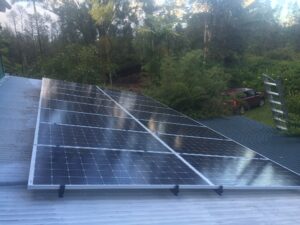
Solar Panels: The visible part of your system that captures sunlight. Most residential installations use between 15-25 panels, depending on your energy needs and roof size.
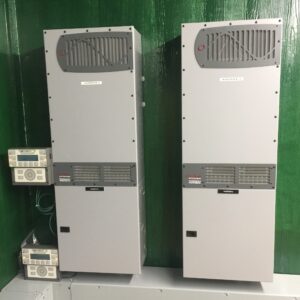
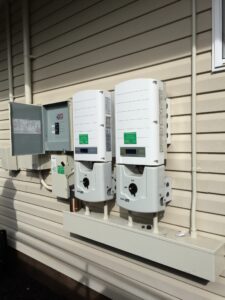
Inverter: Converts DC power to AC power. You’ll either have one central inverter for your whole system or micro-inverters attached to each panel. Micro-inverters tend to perform better when some panels are shaded.
Mounting Equipment: The racking and hardware that secures panels to your roof. Proper mounting protects both your panels and your roof from damage.
Monitoring System: Tracks how much energy your system produces and how much your home consumes. Most modern systems let you check production from your phone.
Net Metering Connection: Links your system to the electrical grid so you can send excess power back and receive credits on your utility bill.
How Solar Panels Generate Power Throughout the Day
Solar panels work best during peak sunlight hours, typically from mid-morning to mid-afternoon. Production varies based on weather, season, and the angle of the sun.
On a sunny day, your panels may generate more electricity than your home needs. This excess power flows back to the grid, and your utility company credits your account through net metering. At night or during cloudy periods when your panels aren’t producing enough, you draw power from the grid as usual.
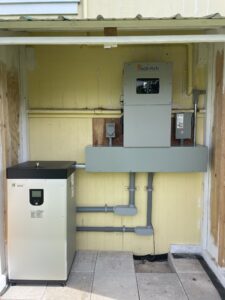
Some homeowners add battery storage to their systems. Batteries store excess solar energy produced during the day for use at night or during power outages. While batteries increase your upfront cost, they provide backup power and greater energy independence.
The Residential Solar Installation Process
Understanding what happens during installation helps you prepare for the timeline and what to expect at your property.
Initial Consultation and Site Assessment: A solar company visits your home to evaluate your roof’s condition, angle, and sun exposure. They’ll review your electricity bills to determine your energy usage patterns and recommend a system size.
Custom System Design: Based on the assessment, the company designs a solar array specific to your roof layout and energy needs. They’ll show you exactly where panels will be placed and estimate your energy production.
Permitting and Approvals: Your installer handles the paperwork, including building permits and utility company applications. This administrative phase typically takes 2-6 weeks depending on your local jurisdiction.
Installation Day: The actual installation usually takes 1-3 days. Crews mount the racking system, attach the panels, install the inverter, and connect everything to your electrical panel and the grid.
Inspection and Activation: A local building inspector verifies the installation meets code requirements. Once approved, your utility company gives final permission to turn on your system and start generating solar power.
Costs and Financial Considerations for Home Solar
The cost of residential solar has dropped significantly over the past decade, making it accessible to more homeowners. Most systems range from $15,000 to $25,000 before incentives, depending on system size and equipment quality.
Several factors affect your final price:
- Your home’s energy consumption
- Roof size, pitch, and complexity
- Local labor and permitting costs
- Panel and inverter brands selected
- Whether you add battery storage
Federal Tax Credit: The federal Investment Tax Credit (ITC) currently covers 30% of your solar installation cost. This means a $20,000 system would qualify for a $6,000 tax credit, reducing your net cost to $14,000.
State and Local Incentives: Many states offer additional rebates, tax credits, or performance payments. These vary widely by location, so check what’s available in your area.
Financing Options: Most homeowners choose between paying cash, taking a solar loan, or leasing panels. Cash purchases provide the best long-term return. Solar loans let you own the system while spreading costs over time. Leasing means lower upfront costs but you won’t own the equipment or qualify for tax credits.
Energy Savings and Return on Investment
The average homeowner saves between $20,000 and $60,000 over the 25-year lifespan of a solar system. Your actual savings depend on local electricity rates, system size, and how much sun your area receives.
Most residential solar systems pay for themselves within 6-10 years through electricity bill savings. After the payback period, you’re generating free electricity for the remaining life of your system.
Rising electricity rates work in your favor. As utility costs increase over time, your savings grow since you’re producing your own power at a fixed cost.
Does Your Home Qualify for Solar Panels?
Not every property is ideal for solar, but most homes can support a productive system. Here’s what makes a home a good candidate:
Roof Condition: Your roof should have at least 15-20 years of life remaining. If you need a replacement soon, do that before installing solar.
Sun Exposure: South-facing roofs receive the most sunlight in the Northern Hemisphere. East and west-facing roofs also work well. North-facing roofs produce less energy but can still be viable depending on your location.
Shading: Trees, nearby buildings, or chimneys that cast shadows reduce production. Some shading can be managed with micro-inverters or by trimming trees.
Roof Space: You need enough unshaded roof area to fit the panels required for your energy needs. Most panels measure about 5.5 feet by 3.5 feet.
Local Regulations: Some homeowner associations or local ordinances restrict solar installations. Check your HOA rules and local building codes before proceeding.
Maintenance and System Lifespan
Solar panels require minimal maintenance. Rain naturally washes away most dirt and debris. In dusty climates or areas with little rainfall, occasional rinsing with a hose keeps panels performing well.
Most solar panels come with 25-year warranties and maintain 80-90% of their original efficiency after 25 years. Inverters typically need replacement after 10-15 years, which costs $1,000-$3,000 depending on your system.
Annual or bi-annual inspections catch potential issues early. Check for debris buildup, loose connections, and monitoring system alerts. Most problems are minor and easily fixed.
Environmental Benefits of Home Solar Energy
Beyond financial savings, solar power reduces your carbon footprint. The average residential solar system offsets 3-4 tons of carbon dioxide annually—equivalent to planting about 100 trees each year.
Solar energy is clean and renewable. Once manufactured, panels generate electricity without emissions, noise, or pollution. While panel production requires energy, most systems offset their manufacturing footprint within 2-3 years of operation.
Generating your own power also reduces strain on the electrical grid and decreases reliance on fossil fuel power plants.
Common Questions Homeowners Ask About Solar
Will solar panels damage my roof? When properly installed, solar panels actually protect the roof area they cover. Reputable installers use flashing and waterproof seals to prevent leaks.
What happens during a power outage? Standard grid-tied systems shut off during outages for safety reasons, preventing power from back-feeding into lines workers may be repairing. Adding battery storage allows your solar system to provide backup power during outages.
Can I install solar panels myself? While DIY solar kits exist, professional installation provides better performance, valid warranties, and proper permitting. Electrical work requires licensed professionals in most areas.
Do solar panels work in cold or cloudy weather? Yes. Panels generate electricity from light, not heat. Cold temperatures actually improve panel efficiency. While cloudy days reduce production, panels still generate power from diffused sunlight.
Making the Decision: Is Solar Right for Your Home?
Residential solar makes sense for homeowners who plan to stay in their homes for at least 5-7 years, have suitable roof conditions, and want to reduce electricity costs while supporting clean energy.
Start by reviewing your electricity bills from the past year. High energy usage and expensive utility rates mean greater potential savings. Get quotes from multiple local installers to compare equipment, warranties, and pricing.
Ask detailed questions about production estimates, financing terms, and what’s included in the installation. A quality solar company will provide transparent information and realistic projections based on your specific situation.
Ready to Go Solar?
If you’re a homeowner in the area considering solar panels for your home, Solar Saint specializes in residential solar installations designed for local conditions and energy needs. We handle everything from initial assessment and custom system design to permitting, installation, and ongoing support.
Our team helps you understand your options, maximize available incentives, and build a solar system that fits your home and budget. Contact Solar Saint today to schedule a free consultation and find out how much you could save with residential solar energy.