More homeowners are exploring solar energy as electricity prices continue rising and solar technology becomes more accessible. If you’re thinking about installing solar panels on your home, understanding the costs, savings potential, and timeline for recouping your investment can help you make an informed decision.
This guide breaks down what you need to know about residential solar system pricing in 2026, including real savings you can expect and how long it typically takes to see a return on your investment.
How Much Do Residential Solar Panels Cost in 2026?
The cost of a residential solar panel system depends on several factors, including system size, equipment quality, your home’s location, and local installation rates.
Average System Pricing
Most homes install solar systems ranging from 5 kW to 10 kW. Here’s a general breakdown of pricing before incentives:
- 5 kW system: Typically ranges from $12,500 to $17,500
- 7 kW system: Generally costs between $17,500 to $24,500
- 10 kW system: Usually falls between $25,000 to $35,000
These figures represent total installation costs, including panels, inverters, racking, labor, permits, and other necessary components.
Cost Per Watt
Solar systems are often priced per watt, making it easier to compare quotes. In 2026, the average cost per watt for residential installations ranges from $2.50 to $3.50 before incentives. Higher-efficiency panels and premium equipment may push costs higher, while competitive markets and improved manufacturing processes have helped keep prices relatively stable.
What Affects Your Solar System Cost?
Several factors influence how much you’ll pay:
System Size: Larger systems cost more upfront but generate more electricity, potentially offering better long-term value for homes with high energy usage.
Panel Type and Efficiency: Monocrystalline panels typically cost more than polycrystalline options but produce more power in less space. Higher efficiency can be worth the investment if you have limited roof space.
Roof Characteristics: Complex roof layouts, steep pitches, or older roofing materials that need replacement before installation can increase labor costs.
Location: Labor rates, permit fees, and local market competition vary by region. Urban areas may have more installer options and competitive pricing, while remote locations might see higher costs.
Additional Equipment: Battery storage systems, EV charger integration, or upgraded electrical panels add to the total project cost.
Federal Tax Credits and Incentives
The federal Investment Tax Credit (ITC) remains one of the most valuable incentives for homeowners going solar. As of 2026, this credit allows you to deduct 30% of your total solar installation cost from your federal taxes.
How the Tax Credit Works
If you install a $25,000 solar system, you can claim a $7,500 tax credit, reducing your net cost to $17,500. This credit applies to all equipment and installation costs, including battery storage if installed at the same time as your solar panels.
You’ll claim this credit when you file your federal tax return for the year your system was installed and operational. If the credit exceeds your tax liability for that year, you can roll the remaining credit forward to future tax years.
State and Local Incentives
Many states offer additional rebates, performance-based incentives, or property tax exemptions for solar installations. Some utility companies provide net metering programs that credit you for excess electricity your system sends back to the grid.
Check with your local utility and state energy office to learn what programs are available in your area, as these can significantly reduce your total investment.
How Much Can You Save with Residential Solar?
Your savings depend on your electricity usage, local utility rates, solar production, and how you finance your system.
Monthly and Annual Savings
Homeowners who install solar panels typically see electricity bill reductions of 40% to 100%, depending on how much of their energy consumption the solar system covers.
A 7 kW system in a sunny location might generate 8,000 to 10,000 kWh annually. If your utility rate is $0.14 per kWh, that’s $1,120 to $1,400 in annual savings. In areas with higher electricity rates ($0.20+ per kWh), annual savings can exceed $2,000.
Electricity Rate Protection
Utility rates have historically increased 2-3% annually. By generating your own electricity, you protect yourself from these rising costs. Over 25 years, this protection represents substantial savings beyond your current rate calculations.
Net Metering Benefits
If your utility offers net metering, you receive credits for excess electricity your system produces during sunny periods. These credits offset your electricity use during evenings or cloudy days, maximizing your savings.
Net metering policies vary by location, so understanding your local utility’s program helps you accurately project savings.
Solar Panel Payback Period: When Will You Break Even?
The payback period is the time it takes for your accumulated savings to equal your net investment in solar.
Average Payback Timeline
Most homeowners see payback periods between 6 and 12 years, depending on:
- Net system cost after incentives
- Local electricity rates
- Solar production in your area
- Available incentives and financing terms
In regions with high electricity costs and strong sun exposure, payback can happen in as little as 5-7 years. In areas with lower rates or less optimal solar conditions, it may take 10-14 years.
Calculating Your Payback Period
Here’s a simplified example:
- Total system cost: $21,000
- Federal tax credit (30%): -$6,300
- Net investment: $14,700
- Annual electricity savings: $1,500
- Estimated payback: 9.8 years
After your payback period, the electricity your system generates is essentially free (minus minimal maintenance costs), providing continued savings for the remainder of your system’s lifespan.
What Happens After Payback?
Quality solar panels typically come with 25-year performance warranties and can continue producing electricity for 30+ years. Once you’ve recouped your investment, every year of continued operation adds to your total savings.
If your system pays for itself in 10 years and continues operating for another 15-20 years, you could save $20,000 to $40,000 or more over the system’s lifetime.
Understanding How Home Solar Panels Work
Residential solar systems convert sunlight into electricity through photovoltaic (PV) technology. Here’s a basic overview of the process:
The Solar Energy Conversion Process
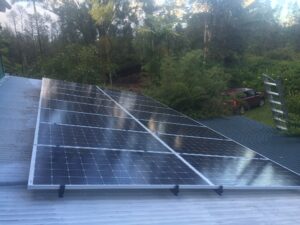
Solar Panels: Photovoltaic cells in your panels absorb sunlight and generate direct current (DC) electricity.
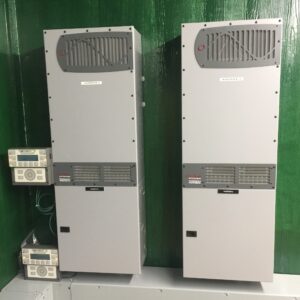
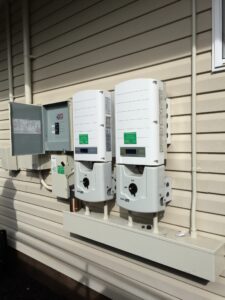
Inverter: The DC electricity flows to an inverter, which converts it to alternating current (AC) electricity that your home appliances use.
Electrical Panel: AC electricity travels to your home’s electrical panel, powering your lights, appliances, and devices.
Utility Grid: When your system produces more electricity than you’re using, the excess flows to the grid (if you have net metering). When you need more power than your panels produce, you draw from the grid.
Utility Meter: A bidirectional meter tracks both the electricity you send to the grid and the electricity you draw from it.
System Components
A complete residential solar installation includes:
- Solar panels: The visible component on your roof that captures sunlight
- Inverter(s): Converts DC to AC power (either a single string inverter, microinverters, or power optimizers)
- Racking and mounting: Secure hardware that attaches panels to your roof
- Monitoring system: Tracks your system’s production and performance
- Electrical upgrades: May include panel upgrades or additional safety equipment
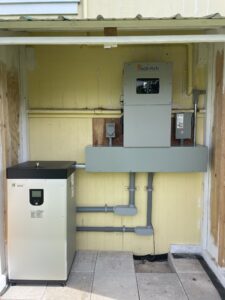
Some homeowners add battery storage to store excess solar energy for use during evening hours or power outages.
The Residential Solar Installation Process
Understanding what to expect during installation helps you prepare and plan accordingly.
Initial Consultation and Site Assessment
A solar installer will evaluate your property, typically reviewing:
- Your roof’s condition, age, orientation, and shading
- Your electricity usage patterns from utility bills
- Available roof space for panel placement
- Your electrical panel capacity
This assessment helps determine the right system size and configuration for your home.
Custom System Design
Based on the site evaluation, the installer designs a system tailored to your energy needs and roof characteristics. You’ll receive a proposal outlining:
- Recommended system size and equipment
- Expected energy production
- Total costs and available incentives
- Projected savings and payback timeline
- Financing options if applicable
Permits and Approvals
Your installer handles permit applications and utility interconnection agreements. This process typically takes 2-8 weeks, depending on your local jurisdiction and utility company.
Installation Day
Physical installation usually takes 1-3 days for most residential systems. The crew will:
- Set up safety equipment
- Install racking and mounting hardware
- Attach solar panels
- Install the inverter and electrical connections
- Connect to your electrical panel
Inspection and Activation
After installation, your local building department and utility company must inspect the system. Once approvals are complete, your utility activates net metering (if available), and your system begins producing electricity.
The entire process from signing a contract to system activation typically takes 1-3 months.
Is Residential Solar Worth It for Your Home?
Solar makes financial sense for many homeowners, but individual circumstances vary.
Good Candidates for Solar
You’re likely a good fit if you:
- Own your home and plan to stay for several years
- Have a roof with minimal shading and adequate space
- Pay moderate to high electricity bills
- Live in an area with decent sun exposure
- Have available roof area facing south, southwest, or west
Situations Where Solar May Not Make Sense
Solar might not be your best option if:
- Your roof needs replacement soon (replace the roof first)
- You have heavy tree shading that can’t be addressed
- Your electricity bills are extremely low
- You plan to move within a few years
- Your roof structure can’t support solar panel weight
Long-Term Home Value
Research shows that homes with solar panels typically sell for more than comparable homes without solar. Buyers appreciate the lower electricity costs and environmental benefits, though the exact value increase depends on your local real estate market.
Solar Panel Lifespan and Maintenance
How Long Do Solar Panels Last?
Modern solar panels are built to last. Most manufacturers offer 25-year performance warranties, guaranteeing that panels will still produce at least 80-85% of their original capacity after 25 years.
Many panels continue operating well beyond their warranty period, often producing electricity for 30-35 years or more, though efficiency gradually declines.
Maintenance Requirements
Solar panels require minimal maintenance. Recommended care includes:
Periodic Cleaning: Rain naturally cleans panels in most areas, but occasional washing may be needed if you live in a dusty environment or area with infrequent rain.
Visual Inspections: Check for damage, debris, or shading issues a few times per year.
Monitoring Performance: Most systems include monitoring software that alerts you to performance issues.
Professional Checkups: Some homeowners schedule professional inspections every few years to verify all components are functioning properly.
Warranty Coverage
Solar equipment typically comes with several warranties:
- Panel performance warranty: 25 years
- Panel product warranty: 10-12 years (covers manufacturing defects)
- Inverter warranty: 10-25 years (varies by type and manufacturer)
- Workmanship warranty: 1-10 years (from your installer)
Financing Options for Your Solar System
How you pay for solar affects your total cost and savings timeline.
Cash Purchase
Paying cash upfront provides the best financial return. You avoid interest charges, maximize your tax credit benefit, and start saving immediately. The payback period is shortest with a cash purchase.
Solar Loans
Solar loans allow you to own your system while spreading payments over time. Many solar-specific loans offer:
- Competitive interest rates
- Terms from 5-20 years
- No down payment options
- Immediate ownership and tax credit eligibility
Monthly loan payments are often comparable to or less than your electricity bill savings, meaning you may see immediate positive cash flow.
Home Equity Financing
Some homeowners use home equity loans or HELOCs to finance solar. These may offer lower interest rates than solar loans, and the interest may be tax-deductible.
Avoiding Solar Leases and PPAs
While solar leases and power purchase agreements (PPAs) reduce upfront costs, they provide fewer long-term benefits than ownership. With leases or PPAs:
- The leasing company receives the tax credits
- You don’t own the system
- Selling your home can be complicated
- Long-term savings are reduced
- System ownership transfers complicate property sales
For most homeowners, ownership through cash or loans offers better value.
Common Questions About Residential Solar
Will Solar Panels Damage My Roof?
Professional installers use proven attachment methods that don’t compromise your roof’s integrity. Proper installation includes weatherproof flashing and sealing around all penetrations. Solar panels can actually protect the roof sections they cover from weather exposure.
What Happens During Power Outages?
Standard grid-tied solar systems shut down during outages for safety reasons, preventing electricity from flowing back to the grid while utility workers make repairs. If you want backup power during outages, you’ll need to add a battery storage system.
Can I Install Solar Panels Myself?
While technically possible, DIY solar installation isn’t recommended for most homeowners. Professional installation ensures:
- Proper electrical and structural safety
- Code compliance and warranty validity
- Correct system sizing and design
- Permit approval and utility interconnection
- Insurance coverage
Mistakes can be expensive and dangerous, and self-installation typically voids equipment warranties.
How Does Weather Affect Solar Production?
Solar panels produce electricity even on cloudy days, though at reduced capacity. Rain actually helps by cleaning panels. Snow slides off most installations, and panels continue producing as long as they’re not completely covered.
Your system’s annual production is based on average local weather patterns, so occasional cloudy periods or storms are already factored into production estimates.
Ready to Explore Solar for Your Home?
Switching to solar energy can reduce your electricity bills, protect you from rising utility rates, and increase your home’s value. With federal tax credits and improving technology, 2026 is a strong time to consider residential solar.
If you’re a homeowner ready to learn whether solar makes sense for your property, Solar Saint specializes in helping local residents understand their options and design systems that match their energy needs and budget.
We provide honest assessments, transparent pricing, and quality installations backed by reliable warranties. Our team will evaluate your home, explain your potential savings, and answer all your questions without pressure or sales tactics.
Contact Solar Saint today for a free solar consultation and find out how much you could save with residential solar panels.