
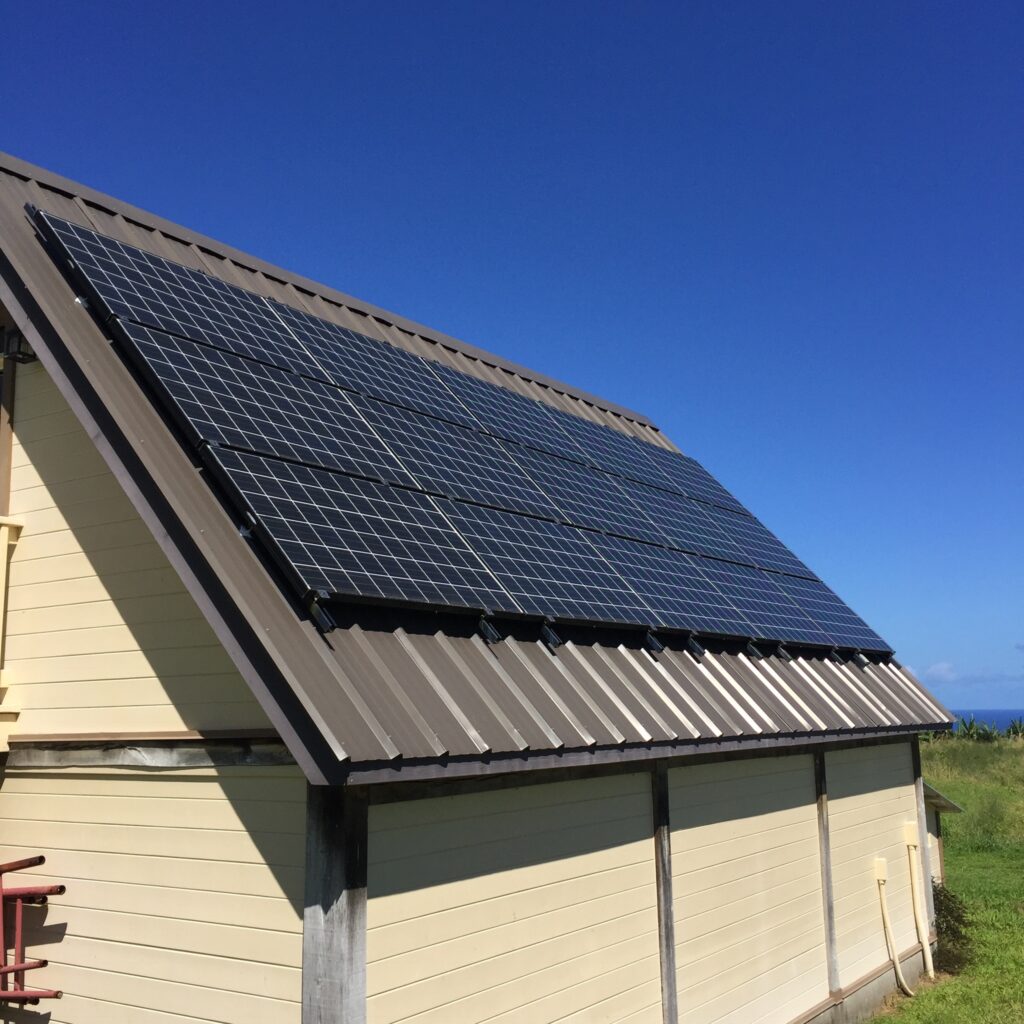
Solar panels have become a common sight on rooftops across the country, but that doesn’t mean they’re the right choice for every homeowner. Before investing tens of thousands of dollars in a solar system, you need an honest look at both the benefits and drawbacks.
This guide examines the real advantages and disadvantages of residential solar, what homeowners actually save, and how to determine whether solar panels make sense for your specific situation.
The Honest Advantages of Home Solar Panels
Let’s start with the positive aspects that make solar appealing to millions of homeowners.
Lower Monthly Electricity Bills
The most immediate benefit is reduced electricity costs. Depending on your system size and energy usage, you can offset 50% to 100% of your monthly electricity consumption. Some months, particularly during peak sun seasons, your bill may drop to just the basic connection fee.
Homeowners with larger systems often see monthly savings of $100 to $250 or more, depending on local electricity rates and solar production.
Protection from Rising Energy Costs
Electricity rates have increased steadily over the past two decades. By generating your own power, you insulate yourself from future rate hikes. When your neighbors see 3-5% annual increases in their utility bills, your solar production continues at no additional cost.
This rate protection becomes more valuable each year and represents a significant portion of your long-term savings.
Federal Tax Credit Reduces Upfront Cost
The 30% federal tax credit substantially lowers your net investment. On a $24,000 system, that’s $7,200 back when you file your taxes. This incentive applies to all system components, including battery storage if installed simultaneously.
The tax credit doesn’t reduce your savings—it reduces your initial investment, making the math work better from day one.
Increased Property Value
Multiple studies show that homes with solar panels sell for more than comparable homes without them. Buyers recognize the value of lower electricity bills and often see solar as a desirable feature rather than a complication.
The exact value increase varies by market, but research indicates solar can add $15,000 to $30,000 to your home’s resale value, depending on system size and local market conditions.
Environmental Benefits
Solar panels generate clean electricity without emissions, noise, or pollution. A typical residential system offsets 3-4 tons of carbon dioxide annually—equivalent to planting roughly 100 trees each year.
For homeowners who care about their environmental footprint, this benefit can be just as meaningful as the financial returns.
Low Maintenance Requirements
Once installed, solar panels need minimal attention. There are no moving parts to break, and most systems operate reliably for decades with occasional cleaning and basic monitoring.
Annual maintenance costs are typically negligible, making solar a relatively hands-off investment after installation.
Energy Independence
Generating your own electricity provides a sense of self-sufficiency. You’re less dependent on utility companies and vulnerable to grid issues. When paired with battery storage, you gain backup power during outages.
This independence appeals to homeowners who value resilience and control over their energy supply.
The Real Drawbacks and Limitations
Solar panels aren’t perfect for everyone. Here are the legitimate downsides you should consider.
High Upfront Investment
Even with tax credits, you’re looking at $12,000 to $30,000+ for most residential systems. While financing options exist, the initial cost remains a barrier for many families.
If you don’t have cash available and prefer not to take on additional debt, solar may not be accessible regardless of its long-term benefits.
Long Payback Periods
It typically takes 6-12 years to recoup your investment through electricity savings. If you plan to move before reaching payback, you may not realize the full financial benefit.
While solar adds value to your home, you might not recover every dollar spent, particularly if you move within the first few years.
Roof Requirements and Limitations
Solar works best on roofs that:
- Are in good condition with 15+ years of remaining life
- Face south, southwest, or west
- Have minimal shading from trees or structures
- Can structurally support panel weight
If your roof needs replacement soon, you’ll need to do that first, adding to your total investment. Heavily shaded properties may not produce enough electricity to justify the cost.
Geographic and Weather Considerations
Solar production varies significantly by location. Homeowners in sunny states like California, Arizona, or Florida see better returns than those in cloudier regions. While panels work on cloudy days, annual production is lower in areas with less consistent sunlight.
Your local climate directly affects your system’s financial performance and payback timeline.
Not Ideal for Short-Term Homeowners
If you plan to sell your home within 3-5 years, solar may not make financial sense. You won’t reach payback, and while solar adds value, transaction costs and market conditions can affect whether you break even.
Solar is best viewed as a medium to long-term investment.
Grid-Tied Systems Don’t Work During Outages
Standard solar systems automatically shut down when the grid goes down. This safety feature protects utility workers but means your panels won’t power your home during outages unless you add expensive battery storage.
Many homeowners assume solar provides automatic backup power, but that requires additional equipment and investment.
Potential Installation Quality Issues
The solar industry includes both excellent installers and less reputable companies. Poor installation can lead to:
- Roof leaks
- Electrical problems
- Underperforming systems
- Warranty complications
Choosing a qualified, experienced installer matters. The cheapest quote isn’t always the best value.
Decreasing Incentives in Some Areas
While the federal tax credit remains strong, some state and local incentives have decreased or been eliminated as solar has become more common. Net metering policies are also under review in various states, potentially reducing future savings.
These policy changes can affect your system’s economics, particularly if they occur after you’ve installed.
Real-Life Savings: What Homeowners Actually Experience
Let’s look at realistic scenarios based on typical installations and savings patterns.
Example 1: High Electricity User in a Sunny Area
Situation:
- Location: Southern state with high sun exposure
- Average monthly electricity bill: $220
- System size: 8 kW
- Total system cost: $24,000
- Net cost after tax credit: $16,800
Results:
- Annual electricity savings: $2,400
- Simple payback period: 7 years
- 25-year savings: $60,000+ (accounting for rate increases)
This represents an ideal scenario where solar delivers strong returns.
Example 2: Moderate User in Average Sun Area
Situation:
- Location: Mid-Atlantic state with moderate sun
- Average monthly electricity bill: $140
- System size: 6 kW
- Total system cost: $19,500
- Net cost after tax credit: $13,650
Results:
- Annual electricity savings: $1,500
- Simple payback period: 9.1 years
- 25-year savings: $37,500+ (accounting for rate increases)
This reflects a more typical scenario with solid but less dramatic returns.
Example 3: Lower Usage in Cloudier Climate
Situation:
- Location: Pacific Northwest state
- Average monthly electricity bill: $95
- System size: 5 kW
- Total system cost: $16,000
- Net cost after tax credit: $11,200
Results:
- Annual electricity savings: $900
- Simple payback period: 12.4 years
- 25-year savings: $22,500+ (accounting for rate increases)
This shows a marginal case where solar still works but offers less compelling returns.
What These Examples Reveal
Real-life savings vary dramatically based on:
- Your current electricity costs
- Local solar resources
- System size relative to usage
- Installation costs in your area
- Available incentives beyond federal tax credit
The best way to understand your potential savings is through a detailed analysis of your specific situation.
Hidden Costs and Considerations
Beyond the obvious expenses, some additional costs can affect your solar investment.
Roof Repairs or Replacement
If your roof is older, you’ll likely need to replace it before or during solar installation. Adding $8,000-$15,000 for a new roof changes your financial calculations significantly.
Electrical Panel Upgrades
Older homes may need electrical panel upgrades to safely accommodate solar. This can add $1,500-$3,000 to your project cost.
Tree Removal
If trees shade your roof, you might need to trim or remove them. Depending on the trees’ size and location, this could cost hundreds to several thousand dollars.
Insurance Changes
Some homeowners see minor increases in their home insurance premiums after installing solar, though this varies by insurer and location.
Potential Maintenance and Repairs
While solar panels are reliable, inverters typically need replacement after 10-15 years, costing $1,500-$3,000 depending on system size. Occasional repairs may also be needed over a 25-year period.
Opportunity Cost
Money invested in solar could alternatively be invested elsewhere. If you’re paying cash, consider what else you could do with that money and what returns other investments might provide.
When Solar Makes the Most Sense
Solar delivers the best value when these factors align:
High Electricity Bills
If you’re paying $150+ monthly, solar has more potential to generate meaningful savings. Lower bills mean longer payback periods and less compelling economics.
Long-Term Homeownership
Planning to stay in your home for 10+ years gives you time to reach payback and enjoy years of free electricity afterward.
Good Solar Resources
Living in an area with abundant sunshine maximizes your system’s production and accelerates your return on investment.
Available Incentives
Strong federal, state, and local incentives improve the financial equation. Research all available programs before making a decision.
Suitable Roof Conditions
A newer roof in good condition, with minimal shading and good sun exposure, eliminates complications and additional costs.
Adequate Available Capital
Whether through savings or affordable financing, having access to the necessary funds without creating financial stress is important.
When You Should Probably Wait or Reconsider
Solar may not be right if:
You’re Planning to Move Soon
If you’ll sell within 3-5 years, you likely won’t recoup your investment through electricity savings.
Your Roof Needs Work
Replace your roof first, then consider solar. Installing panels on an old roof means paying to remove and reinstall them when roof replacement becomes necessary.
Heavy Shading Exists
Trees or structures that significantly shade your roof reduce production and extend payback periods, potentially making solar financially unviable.
Your Electricity Bills Are Low
If you’re paying under $75 monthly, the savings may not justify the investment and hassle.
You Have Better Uses for the Money
If you’re carrying high-interest debt or have more pressing financial needs, addressing those first may be wiser.
Local Incentives Are Weak
In areas without good net metering or additional state incentives, and with lower electricity rates, the financial case weakens.
Questions to Ask Before Deciding
Before signing a solar contract, get clear answers to these questions:
About Your Situation
- What’s my average monthly electricity bill over the past 12 months?
- How long do I plan to own this home?
- What’s the condition and remaining life of my roof?
- Are there any trees or structures that shade my roof?
- What’s my credit situation if I need financing?
About the System
- What’s the total system size in kilowatts?
- What’s the expected annual production in kilowatt-hours?
- What percentage of my current usage will this offset?
- What equipment brands and models are included?
- What warranties cover each component?
About Costs and Savings
- What’s the total installed cost before incentives?
- What’s my net cost after all available incentives?
- What’s the projected payback period?
- What electricity rate is used in savings calculations?
- Are these estimates guaranteed or just projections?
About the Company
- How long has this company been in business?
- Can I see recent customer references?
- What happens if the company goes out of business?
- Who handles warranty claims and service?
- What’s included in the workmanship warranty?
Making the Right Decision for Your Home
Solar panels can be an excellent investment for the right homeowner in the right situation. They can also be a mediocre or poor choice when circumstances don’t align.
The key is honest assessment of your specific situation:
- Run the numbers based on your actual electricity usage and costs
- Consider how long you’ll own your home
- Evaluate your roof and property conditions
- Research local installers carefully
- Get multiple quotes to compare
- Read all contracts thoroughly
- Understand what’s guaranteed versus what’s projected
Solar isn’t a magic solution, but for many homeowners, it provides genuine long-term value through lower electricity costs, rate protection, and environmental benefits.
Get a Professional Assessment for Your Property
Still wondering whether solar makes sense for your home? The best way to find out is with a detailed, no-obligation assessment from a qualified local provider.
Solar Saint helps homeowners throughout the area understand their solar potential with honest evaluations and transparent information. We’ll analyze your property, review your electricity usage, and show you exactly what you could save—without pressure or inflated projections.
Our team believes in providing straight answers so you can make the right decision for your family. If solar isn’t a good fit for your situation, we’ll tell you that too.
Contact Solar Saint today for a free solar assessment and get the facts you need to decide if residential solar is worth it for your home.