Quick Takeaways:
- Hilo homeowners have specific questions about solar that go beyond what generic online resources cover—local climate, HELCO interconnection, roof conditions, and Hawaii’s incentive structure all come up regularly.
- Understanding how solar performs in Hilo’s rainy, humid, and salt-air environment helps set realistic expectations for production, maintenance, and long-term system performance.
- Hawaii’s electricity rates, available tax incentives, and evolving utility programs make the financial case for solar here genuinely different from most mainland markets.
- Knowing what questions to ask a solar contractor before signing anything protects you from surprises and helps you choose the right company for your home.
- Many of the concerns homeowners have about going solar—roof compatibility, shading, weather durability, outage protection—have clear, practical answers that are worth understanding before you commit.
- The best solar decisions in Hilo come from homeowners who asked good questions early and took the time to understand what they were buying.
The Questions Worth Asking Before Anything Else
Talking to homeowners across Hilo and the Big Island about solar, certain questions come up again and again. Some are practical—about roof types, weather, and how the installation process actually works. Some are financial—about incentives, payback periods, and what the bills really look like after solar. Some reflect genuine uncertainty about whether solar is the right call at all, or whether the timing is right for a particular home or household.
All of those questions are worth asking, and none of them have answers that fit neatly on a brochure. Hilo’s climate is its own thing. Our utility situation is different from the mainland. The neighborhoods here vary in ways that affect solar design—from the salt air near Keaukaha to the heavier cloud cover in the upper elevations above town, to the older plantation-style roofs that make up a meaningful portion of the housing stock in this area.
This article works through the questions we hear most often from Hilo homeowners who are thinking seriously about solar. The goal is to give you honest, locally grounded answers—the kind you’d get from sitting down with someone who actually knows this island and has spent years installing and maintaining solar systems here.
Questions About How Solar Works in Hilo’s Climate
Will solar actually produce enough electricity in Hilo given all the rain and clouds?
This is the question that comes up more than almost any other, and it deserves a direct answer: yes, solar works in Hilo, and it works well enough to make financial sense for most homeowners here. That said, it works differently than it does in a place like Kona or Phoenix, and having accurate expectations from the start matters.
Solar panels generate electricity from light, not just from direct sunlight. On an overcast day—which describes a fair number of Hilo’s mornings—the panels are still producing, just at a lower output than under full sun. When the sun breaks through in the afternoon, which happens regularly even during wetter stretches, production picks up meaningfully. The combination of diffuse light production and sunny windows throughout the day adds up over the course of a year more than most people expect before they see actual data from a system in their neighborhood.
What matters most is that your system was sized using solar irradiance data specific to your part of Hilo—not statewide averages or figures borrowed from sunnier parts of Hawaii. The east side of the Big Island has its own production profile, and a solar contractor who knows it will design a system around it rather than overpromising and underdelivering.
Does Hilo’s rain damage solar panels over time?
Rain by itself is not a threat to a well-installed solar system—in fact, regular rainfall in Hilo does a reasonable job of keeping panels cleaner than they’d be in a dry climate where dust and particulate accumulate on surfaces unchecked. The bigger considerations in Hilo’s wet environment are moisture infiltration at mounting points and electrical connections, and biological growth on panel surfaces.
Moisture becomes a problem only when installation quality is compromised—when roof penetrations aren’t properly flashed and sealed, when junction boxes and electrical enclosures aren’t rated for continuous wet exposure, or when conduit runs aren’t sealed against water entry. A system installed with proper weatherproofing and components rated for Hawaii’s climate handles Hilo’s rainfall without issue across a 25-plus year lifespan.
Biological growth—algae, moss, and organic debris—is worth more attention in Hilo than moisture itself. It accumulates on panel surfaces in tropical conditions and reduces light transmission over time. Periodic professional cleaning, once or twice a year for most homes, keeps this in check without requiring anything harsh that could damage panel surfaces or void warranties.
What does salt air do to a solar system in Hilo?
Salt air is a real factor for homes in and around Hilo, particularly those closer to the bay and the coast. The concern is corrosion of metal components—panel frames, mounting rails, fasteners, and electrical enclosures. Over a 25-year system lifespan, the difference between standard hardware and marine-grade corrosion-resistant materials becomes very apparent.
Quality solar installations in Hilo use anodized aluminum racking, stainless steel fasteners, and electrical enclosures rated for coastal environments. These aren’t premium upgrades—they’re the appropriate standard for our location. If you’re evaluating a solar proposal and the mounting hardware isn’t specified, asking about it directly is entirely reasonable. What’s holding your panels to your roof for the next three decades matters.
How does the heat and humidity in Hilo affect solar panels?
Hawaii’s heat and humidity affect solar panels in a couple of ways that are worth understanding. Heat reduces panel output in real time—solar panels actually produce less electricity at very high temperatures than at moderate temperatures, which is why the temperature coefficient of a panel is a meaningful spec in Hawaii’s climate. Lower temperature coefficient numbers mean less output loss as temperatures climb.
Persistent humidity can contribute to a form of panel degradation called potential-induced degradation, which is accelerated by moisture and certain electrical conditions. Quality panel manufacturers have developed designs that resist this, and proper system design helps minimize the risk. Over the long run, choosing panels with strong moisture resistance ratings and ensuring your system is correctly grounded and configured provides solid protection against humidity-related performance decline.
Will my solar panels survive a strong wind event or tropical storm?
Solar systems installed to Hawaii County’s building code requirements are engineered to meet the wind load specifications applicable to your property’s location on the Big Island. This means the mounting system has been structurally calculated to hold the panels securely under the wind conditions your installation is expected to face—including the trade wind gusts and tropical storm events that move through our area.
The key phrase there is “installed to code.” A properly permitted and inspected installation will have gone through the process that confirms these engineering standards were met. Systems installed without permits—which occasionally happens when homeowners try to cut costs or work with unlicensed contractors—have no such verification. For a component that lives on your roof through decades of Hawaii weather, that engineering confirmation is worth the permitting process.
Questions About the Financial Side of Solar in Hilo
Is solar worth it financially in Hilo, given the upfront cost?
For most Hilo homeowners with moderate to high electricity usage, the financial case for solar is genuinely strong. Hawaii’s electricity rates are among the highest in the country, and the Big Island’s HELCO rates have historically been even higher than the statewide average at various points. That backdrop makes every kilowatt-hour your solar system produces worth more in dollar terms than the same kilowatt-hour would be in most mainland markets.
The honest financial picture requires knowing your actual payback period based on your real usage, the system size being proposed, the current incentives you qualify for, and whether you’re paying cash or financing. Most Hilo homeowners who purchase solar with cash and have usage well-matched to their system size see payback periods in the range of six to ten years—leaving fifteen or more years of net savings before the system even approaches the end of its expected life.
Financed systems have longer effective payback periods because interest costs add to the total investment. Running the complete cost-of-financing math, not just the monthly payment, gives you the accurate picture needed to make a confident decision.
What solar incentives are available to Hilo homeowners right now?
Two primary incentives are currently available to Hawaii homeowners going solar, and the combination of them meaningfully reduces the net cost of a system.
The federal Investment Tax Credit allows homeowners to deduct a significant percentage of their total solar installation costs—including equipment, labor, and permitting fees—from their federal income taxes in the year the system is placed in service. This applies to the full installed cost of the system and is one of the most valuable incentives available anywhere in the country.
Hawaii also offers its own state income tax credit for solar installations, which applies to Hawaii state taxes separately from the federal credit. The state credit has caps that vary depending on system type, so understanding how those caps apply to your specific installation before assuming the full credit amount is part of doing the financial math accurately. Confirming how both credits apply to your tax situation with a qualified tax professional before finalizing your purchase is always a sensible step.
How does HELCO’s billing work after I go solar?
How your electricity bill changes after going solar depends on the interconnection program you enroll in and how your system’s production compares to your household’s consumption. Under current HELCO programs for new solar customers, excess energy your system sends to the grid is credited at a rate determined by your interconnection program—and those rates have changed over the years as the grid has seen increasing solar adoption.
The practical implication for new solar customers is that the value of maximizing your own self-consumption of solar energy has become more important than it was when older net metering structures were in place. Designing your system to closely match your household’s actual usage patterns, and potentially adding battery storage to capture excess daytime production for nighttime use, makes more financial sense under current program structures than oversizing a system and sending large amounts of excess energy to the grid.
Your solar contractor should walk you through exactly which HELCO program your new system will be enrolled in, what the compensation structure looks like, and how the projected system production and your usage patterns translate into an expected monthly bill.
Should I pay cash or finance my solar system?
Both options have legitimate advantages depending on your financial situation, and neither is universally the right answer.
Cash purchases typically offer the best long-term financial return because there’s no interest cost added to the total investment. The payback period is shorter, and every year after breakeven is pure savings. If you have the cash available and solar pencils out financially on a cash basis, it’s generally the more economical path over the life of the system.
Financing allows homeowners who don’t have the upfront cash to still go solar and start reducing their electricity bills immediately. The monthly loan payment often ends up comparable to or less than what they were paying HELCO, which makes the cash flow picture work even before they’ve paid off the system. The trade-off is total cost—interest paid over the loan term adds to what the system ultimately costs.
One thing worth understanding with any solar loan: read the full terms carefully, including what happens if you sell your home before the loan is paid off and whether the loan is secured against your property. Some solar financing products have terms that affect your home’s title or refinancing options. Reviewing financing terms with a financial or legal professional before signing is time well spent.
Questions About the Installation Process
How long does the whole process take from signing a contract to a working system?
Most residential solar installations in Hilo take between eight and sixteen weeks from contract signing to permission to operate, though the timeline can vary based on the complexity of your system, Hawaii County’s current permit review workload, and HELCO’s interconnection queue at the time of your application.
The installation itself—the physical work on your roof and electrical panel—typically takes one to three days for most homes. The time before and after the installation is largely spent on the permitting and interconnection process, which involves Hawaii County reviewing and approving your system plans, the installation passing a county inspection, and HELCO reviewing and approving your interconnection application before granting permission to operate.
A contractor who promises an unusually fast timeline is worth questioning. Permit reviews and utility interconnection have their own processes that move on their own schedules, and a contractor who understates these timelines is either overpromising to close the sale or planning to skip steps that shouldn’t be skipped.
Do I need to be home during the installation?
For the installation itself, it helps to have someone available who can answer questions about the home’s layout and provide access to the electrical panel and any areas where conduit will be run. You don’t need to stand over the crew all day, but being reachable by phone and checking in at the start and end of the workday is reasonable.
For the county inspection that follows installation, your solar contractor typically coordinates directly with the inspector and you may not need to be present. For the HELCO interconnection approval and the moment your system receives permission to operate, no physical presence is required—these are administrative processes your contractor handles on your behalf.
Will the installation damage my roof?
A properly executed solar installation should not damage your roof. Every penetration point where mounting hardware attaches to the roof structure is flashed and sealed against water intrusion using materials and methods appropriate for your roof type. For Hilo’s rainfall environment, this weatherproofing is taken seriously by any contractor who’s worked here long enough to know what a leaking roof mount looks like.
That said, installation quality varies. An experienced crew working carefully with proper materials and techniques leaves a roof that’s as watertight after the installation as it was before. A rushed installation using inadequate sealants or improper flashing can create leaks that don’t show up until the first heavy rain. Asking your contractor specifically about their roof penetration and waterproofing process—and looking at photos or references from past installations on similar roof types—is a reasonable thing to do before work begins.
What happens to my solar system if I sell my home?
Solar systems generally add value to a home and can be a selling point, particularly in Hawaii where buyers are well aware of the electricity cost environment. Most solar equipment warranties, including panel performance warranties, are transferable to new owners, which preserves the warranty coverage for whoever buys the home.
If your system was purchased outright—cash or a paid-off loan—the transfer to a new owner is straightforward. If you have an outstanding solar loan at the time of sale, the loan typically needs to be paid off at closing, similar to any other lien on the property. Confirming how your specific financing product handles a home sale before signing the loan documents is worth doing upfront.
Questions About System Performance and Maintenance
How will I know if my solar system is performing correctly?
Modern solar systems include monitoring software that gives you a real-time and historical view of your system’s electricity production. Most monitoring platforms are accessible through a smartphone app or web browser, and they show you production by hour, day, month, and year. Comparing your current production to previous periods and to the production estimates from your original system proposal gives you a clear picture of whether your system is performing as expected.
The most common early sign that something is off is a noticeable drop in production that isn’t explained by weather. If your monitoring shows production significantly below what you’d expect for a given period—accounting for cloud cover and seasonal variation—it’s worth contacting your solar contractor for a professional assessment. Catching performance issues early, when they’re typically caused by something minor, is almost always less expensive than letting them go unaddressed.
How often do solar panels need to be cleaned in Hilo?
For most homes in Hilo, professional panel cleaning once or twice a year is a reasonable maintenance schedule. Hilo’s frequent rain keeps dust accumulation in check compared to drier climates, but biological growth—algae, moss, and organic material—is the more relevant concern in our tropical environment and requires active attention.
Panel cleaning should be done with soft brushes or squeegees and plain water. Abrasive materials, pressure washers at close range, and harsh cleaning chemicals can scratch panel surfaces, damage anti-reflective coatings, and, in some cases, void manufacturer warranties. Cleaning is best done in the early morning or late afternoon when panels are cooler—cleaning hot panels can cause thermal stress, particularly if cold water is used on a very warm surface.
What maintenance does a solar system actually need over time?
Beyond panel cleaning, a solar system’s ongoing maintenance needs are modest but not zero. Annual inspections by a qualified solar contractor are the most valuable routine maintenance investment you can make. A thorough annual inspection covers wiring and connection checks, mounting hardware inspection for corrosion or looseness, inverter operation and error code review, production data analysis, and a visual inspection of each panel for physical damage or degradation signs.
Vegetation management is a uniquely active maintenance consideration in Hilo. Trees and plants grow fast here, and shade from vegetation that wasn’t an issue at installation time can become a meaningful production drag within a few years. Periodically checking that nothing has grown up to cast new shadow on your panels—and trimming or removing vegetation that has—is a practical maintenance habit that pays off in sustained production.
How do I know when my inverter needs to be replaced?
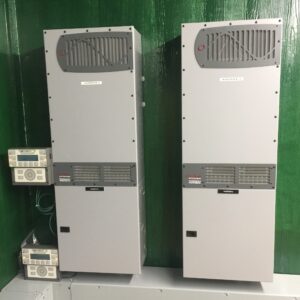
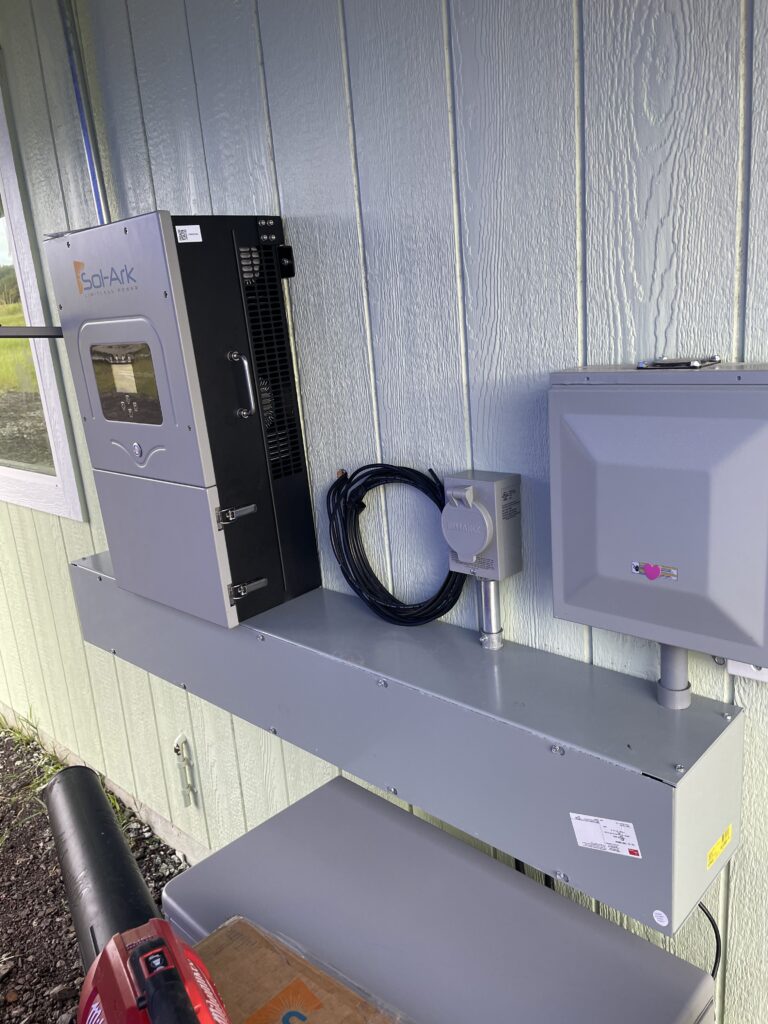
String inverters typically last 10 to 15 years, and most homeowners with a standard string inverter can expect to replace it at least once during the full life of their solar system. The inverter itself often signals problems before it fails completely—fault codes, warning lights, error messages on the monitoring platform, or simply a drop in production that the monitoring system flags.
When your inverter approaches the end of its expected service life or begins showing signs of degraded performance, having a solar contractor evaluate it is the right next step. In some cases, an aging inverter can be repaired or have specific components replaced. In others, full replacement makes more sense—particularly if the existing inverter model is older and replacement parts are becoming harder to source.
Questions About Batteries and Energy Independence
Is battery storage worth adding to a solar system in Hilo?
For most Hilo homeowners, the case for battery storage is stronger than it is in most mainland markets, for a few reasons that are specific to life on the Big Island.
Hawaii’s high electricity rates make stored solar energy genuinely valuable. Every kilowatt-hour your battery captures during the day and delivers to your home at night is a kilowatt-hour you’re not buying from HELCO at some of the highest retail electricity rates in the country. Under HELCO’s current programs for new solar customers, the economics of self-consumption have become more important than they were under older net metering structures—which makes battery storage a more financially compelling addition than it might have been a few years ago.
The resilience argument is also hard to ignore on the Big Island. The island’s history of grid disruptions from volcanic activity, severe weather, and infrastructure challenges makes backup power capability a practical consideration rather than a luxury. A properly sized battery system can keep your critical loads—refrigerator, lights, medical equipment, phone charging—running through outages that would otherwise leave a grid-tied solar home without power alongside everyone else.
Can I add battery storage to my existing solar system later?
In many cases, yes—but whether it’s straightforward or complicated depends on the inverter technology your existing system uses. Some inverter models are designed to integrate with battery systems and can be paired with a battery relatively easily. Others are not compatible with current battery products and would require an inverter upgrade as part of adding storage.
If adding battery storage in the future is something you think you might want, mentioning it when you’re designing your initial system is worthwhile. A solar contractor who knows you’re open to adding storage down the road can make inverter recommendations upfront that preserve that option cleanly, rather than leaving you with a system that requires significant rework to accommodate a battery later.
What happens to my solar system during a power outage?
A standard grid-tied solar system without battery storage shuts down automatically during a grid outage. This is a code requirement—it’s a safety measure that protects utility workers who may be working on the lines during an outage. From a practical standpoint, it means that a solar home without batteries loses power during an outage just like a non-solar home.
Battery storage changes this. A solar-plus-battery system can be configured to continue powering your home’s loads during a grid outage by disconnecting from the grid and operating in what’s called “island mode.” The battery supplies power when the panels aren’t producing enough, and the solar panels recharge the battery during daylight hours. This kind of whole-home or critical-load backup is what makes solar-plus-battery systems genuinely useful for energy resilience on the Big Island.
Questions About Choosing the Right Solar Company
How do I know if a solar contractor in Hilo is legitimate and qualified?
A few verification steps protect you from working with unqualified or unlicensed contractors. Hawaii requires solar contractors to hold an appropriate state contractor’s license for the scope of work they perform. The Hawaii Department of Commerce and Consumer Affairs maintains an online license lookup tool where you can verify any contractor’s license status, license type, and whether it’s current and in good standing. This takes a few minutes and is worth doing before you sign anything.
Beyond licensing, ask for proof of general liability insurance and workers’ compensation coverage. These protect you if something goes wrong during the installation—property damage, an injury on your roof—and a legitimate contractor will provide them without hesitation. Contractors who are vague about their insurance or licensing are telling you something important.
What questions should I ask when comparing solar companies in Hilo?
A handful of questions separate contractors who will give you straight answers from those who won’t. Ask how long the company has been operating on the Big Island, specifically—not just in Hawaii generally. Ask how many systems they’ve installed in Hilo and whether they can provide references from local customers. Ask who will actually be doing the installation—their own employees or subcontractors—and what qualifications those installers have.
Ask specifically what happens if something goes wrong after installation. What does their warranty service process look like? How quickly do they typically respond to service calls? Who do you contact if your monitoring shows a problem six months after the system turns on? A company with a genuine long-term commitment to the community it serves will have clear, confident answers. A company that’s more focused on the sale than the relationship will be vaguer.
Should I get multiple proposals before choosing a solar company?
Getting two or three proposals from qualified contractors is a reasonable approach, with one important caveat: comparing proposals requires looking at what’s actually being proposed, not just the bottom-line price. Two proposals for a “7 kW system” can involve very different panel quality, inverter technology, mounting hardware, production estimates based on different assumptions, and warranty coverage that varies significantly from one product to another.
A lower-priced proposal using budget equipment with a higher degradation rate can cost more over the life of the system than a higher-priced proposal with quality components that hold their performance for 25 years. When comparing proposals, ask each contractor to specify the panel degradation rate used in their production estimates, the warranty terms on every major component, and what the projected system output looks like at year 10, year 20, and year 25—not just at year one.
Questions About Getting Started
How do I know if my home is a good candidate for solar?
Most homes in Hilo are reasonable solar candidates with the right system design, but a few factors shape how strong a candidate yours is. Roof condition is the starting point—a roof with fewer than 10 years of remaining life warrants addressing before solar goes on it. The available unshaded roof area determines how large a system can be accommodated. South-facing roof sections produce the most, but east- and west-facing sections contribute meaningfully as well.
Your electricity usage matters too. Households with higher usage—multiple AC units, electric water heating, an EV charger, or simply a larger family—typically see better financial returns from solar than very low-usage households, because there’s more consumption to offset. A household paying $150 a month to HELCO and a household paying $400 a month have very different solar economics, and a good contractor will be honest with you about what the numbers actually look like for your specific situation.
What’s the first step if I’m seriously considering solar for my Hilo home?
The most useful first step is gathering your last 12 months of HELCO electricity bills and taking an honest look at your roof’s condition and age. That information—your actual usage history and a realistic sense of your roof’s remaining life—sets the foundation for every meaningful conversation that follows.
From there, reaching out to a qualified local solar energy company in Hilo for a site assessment and consultation gives you the property-specific information you need to make a real decision. A good consultation covers your roof’s suitability, a shading analysis, a system size recommendation based on your actual usage, production estimates using local solar data, and a clear financial picture, including incentives and realistic payback projections. That’s the conversation that turns solar from an abstract idea into a concrete plan—or tells you clearly that the timing isn’t right and why.
Still Have Questions? Good.
The homeowners who ask the most questions before going solar are almost always the ones who end up happiest with their systems. Questions are how you separate the contractors who know what they’re doing from the ones who don’t, find out whether the production estimates you’re being shown are realistic, understand what you’re actually buying, and make a decision that fits your home, your finances, and your life on the Big Island.
None of the questions in this article have answers that fit on a one-page brochure, which is exactly why having a real conversation with a knowledgeable local solar contractor matters more than any amount of website research.
Talk to Solar Saint — A Solar Energy Company Hilo Homeowners Trust
At Solar Saint, we welcome the questions. Every homeowner who reaches out to us gets honest, locally grounded answers based on real experience working in Hilo’s neighborhoods and climate—not a scripted sales pitch designed to move toward a signature as quickly as possible. We’d rather spend an hour answering your questions thoroughly than have you sign a contract with gaps in your understanding that only show up later.
We work with homeowners across Hilo and the Big Island, and we bring the kind of local knowledge that only comes from years of doing this work here. We know our climate, we know our neighborhoods, we know HELCO’s process, and we know how to design systems that perform well in this specific environment for the long run. That’s not something you get from a company operating out of a call center on the mainland.
When you’re ready to have that conversation—whether you’re full of questions or just starting to think about solar for the first time—Solar Saint is here. Reach out to us and let’s talk. We’ll give you straight answers, help you understand your options clearly, and make sure that whatever decision you make, you make it with confidence. That’s what a solar contractor Hilo homeowners deserve, and it’s the standard we hold ourselves to every single day.