Article Summary
- Hilo’s combination of high humidity, frequent rainfall, and shaded or tree-adjacent rooftops creates ideal conditions for moss, algae, and lichen growth on solar panels—something rarely discussed in solar guides written for drier climates.
- Even small amounts of organic growth on a panel’s surface can measurably reduce production by blocking sunlight and creating shading patterns that affect inverter performance, especially on microinverter and string systems alike.
- Pressure washing, harsh chemicals, and abrasive brushes can damage panel surfaces and void manufacturer warranties—proper cleaning requires specific methods and materials.
- Panel orientation, tilt angle, and proximity to trees all affect how quickly organic growth accumulates, and some Hilo roofs are far more prone to this than others.
- Routine monitoring through your system’s app can often reveal organic buildup before it’s visible from the ground, especially on panel-level monitoring systems.
- A solar contractor in Hilo, HI, familiar with East Hawaii’s climate can help you establish a maintenance schedule that fits your specific roof, rather than applying a generic recommendation that doesn’t account for local conditions.
- Because managing heavy organic buildup and environmental residue is essential to maintaining system performance, deploying micro-inverters in the shadows to solve the shading issue for Hilo’s lush, tree-lined properties provides the localized technology necessary to overcome complex, daily light obstructions.
If you’ve spent any time in Hilo, you already know that anything that sits outside long enough tends to grow something on it. Roofs, fences, retaining walls, the north side of just about any building—moss, lichen, and algae are simply part of life in a place that gets well over 100 inches of rain a year and rarely dries out completely between showers.
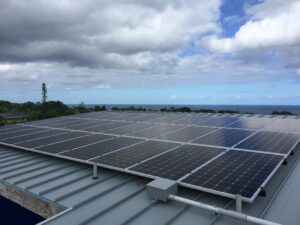
Solar panels are not immune to this. In fact, depending on your roof’s orientation, tilt, and proximity to trees, your solar array can become host to the same kind of organic growth that shows up on your roof shingles or your driveway’s shaded edges. And unlike a roof shingle, where a little moss is mostly cosmetic, organic growth on a solar panel directly affects how much electricity that panel produces.
This is one of those maintenance topics that doesn’t come up much in solar guides written for places like Arizona or Southern California, where the climate simply doesn’t support this kind of growth. But if you’re a Hilo homeowner—or you’re considering going solar here—understanding how moss and algae affect your system, how to address it safely, and how to minimize it in the first place is genuinely useful information that most generic solar resources won’t cover.
Why Hilo’s Climate Is Practically an Invitation for Organic Growth
To understand the maintenance approach, it helps to understand why this happens here in the first place.
The Moisture Factor
Moss, algae, and lichen all require sustained moisture to establish and grow. Hilo provides that in abundance—not just through rainfall itself, but through the persistent humidity that keeps surfaces damp even between rain events. A solar panel in Hilo rarely experiences the kind of complete, prolonged drying out that would prevent organic growth from establishing in the first place.
Organic Material in the Air
East Hawaii’s lush vegetation means there’s a constant supply of organic matter in the air and settling onto surfaces—pollen, plant debris, spores. This organic material provides the initial “seed” material and nutrients that allow moss and algae to establish on a surface that might otherwise just stay clean and bare.
Shade and Reduced UV Exposure
UV light has some natural inhibiting effect on organic growth—it’s part of why surfaces in full, constant sun tend to stay cleaner than shaded surfaces. Panels that are partially shaded by trees for portions of the day (a common situation in Hilo, as covered in our article on microinverters and shading) get less UV exposure than fully exposed panels, which can make them more hospitable to moss and algae establishment in addition to the direct shading losses on production.
Panel Tilt and Water Retention
The tilt angle of your solar panels affects how quickly water drains off the surface after rain. Panels installed at a shallower tilt angle—sometimes used to reduce visual profile or to match a low-slope roof—retain moisture longer than panels at a steeper angle that allows water to run off more quickly. Longer moisture retention means more opportunity for organic growth to establish.
North-Facing and Shaded Roof Sections
In the Northern Hemisphere, north-facing roof surfaces receive less direct sun than south-facing surfaces. While most Hilo solar arrays are designed to maximize south-facing exposure for production reasons, homes with complex rooflines sometimes have panels on east, west, or even north-facing sections. These less-sunny sections are more prone to organic growth, similar to how the north side of a house often has more visible moss or algae on siding and roofing than the south side.
What Organic Growth Actually Does to Your Solar Production
It’s worth being specific about the production impact, because “a little moss” might sound like a minor cosmetic issue, but the effect on output can be more significant than the visual appearance suggests.
Direct Shading Loss
Any organic material covering part of a panel’s surface blocks sunlight from reaching the photovoltaic cells beneath it, reducing that panel’s output proportionally to the area covered. A patch of moss covering 10% of a panel’s surface can reduce that panel’s output by roughly 10% or more—sometimes more than the simple area calculation would suggest, because of how shading interacts with cell wiring within the panel.
The String Inverter Multiplier Effect
If you have a traditional string inverter system (discussed in detail in our microinverter article), the production loss from a single moss-covered panel isn’t isolated to that panel—it can drag down the output of the entire string of panels it’s wired with, similar to how tree shading affects string systems. A moss patch that seems minor on one panel can have an outsized effect on your overall system production if you don’t have microinverters or panel-level optimizers.
Gradual, Easy-to-Miss Onset
Unlike a sudden equipment failure that causes an obvious production drop, organic growth typically develops gradually over months. A small patch of algae that starts in a shaded corner of one panel slowly expands. Production declines slowly enough that it’s easy to attribute to “normal seasonal variation” rather than recognizing it as a developing maintenance issue—especially if you’re not looking at panel-level production data.
Compounding Over Time
Left unaddressed, moss and algae don’t just stay the same size—they tend to spread, especially in conditions as favorable to growth as Hilo’s. A small patch in year two can become a significant area of coverage by year five if it’s never addressed, with a correspondingly larger production impact.
How to Spot Organic Growth Before It Becomes a Big Problem
The good news is that catching this early is both possible and not particularly difficult, if you know what to look for.
Visual Inspection From the Ground
Periodically looking at your solar array from ground level—or from a vantage point like a second-story window if your home has one—can reveal visible moss, algae discoloration (often appearing as green, dark green, or sometimes black/gray patches), or lichen (which often appears as flaky, crusty patches in white, gray, or pale green/yellow tones).
Early-stage growth might just look like a slight discoloration or darkening in a corner of a panel—something that’s easy to miss if you’re not specifically looking for it, but becomes more obviously moss or algae as it develops further.
Panel-Level Monitoring (If You Have It)
This is where microinverter or optimizer systems with panel-level monitoring (discussed in our shading article) provide a real advantage for ongoing maintenance, beyond their shading benefits.
If you notice through your monitoring app that one specific panel is consistently underperforming compared to its neighbors—and this isn’t explained by a known shading pattern from a tree—organic growth is one of the more common explanations. Catching this through monitoring data can alert you to a developing issue before it’s even clearly visible from the ground, especially for panels in less visible locations (north-facing sections, or areas of the roof that aren’t easily viewed from your yard).
Seasonal Check-Ins
Because organic growth develops gradually, a seasonal check-in—say, every three to four months—gives you a reasonable cadence for catching developing issues without requiring constant monitoring. Hilo’s relatively consistent year-round climate (compared to places with dramatic seasonal swings) means growth can develop at any time of year, so there’s no single “season” to focus on—just consistency.
Comparing to Baseline Production
If you have a record of your system’s production from when it was new (most monitoring platforms retain historical data), comparing current production to historical production for similar weather conditions and times of year can reveal a gradual decline that might indicate accumulating organic growth, dust, or other surface buildup—as distinct from degradation of the panels themselves, which happens much more slowly (as discussed in our panel comparison article).
Safe Cleaning Methods: What Works and What Damages Your System
Once you’ve identified organic growth on your panels, the question becomes how to address it without causing damage—because some common cleaning approaches that work fine on, say, a driveway or a deck can actually harm solar panels or void manufacturer warranties.
What NOT to Use
Pressure washers. This is probably the single most important “don’t” when it comes to solar panel cleaning. The high-pressure water stream from a pressure washer can damage the protective coatings on panel surfaces, force water past seals and into junction boxes or panel frames (leading to moisture ingress issues discussed in our racking article), and in some cases physically damage the glass or backsheet of the panel. Most panel manufacturer warranties explicitly exclude damage caused by pressure washing.
Abrasive brushes or scrubbers. Stiff bristles, scouring pads, or anything abrasive can scratch the glass surface of panels. Even minor scratching can create micro-textures that actually make future organic growth and dirt accumulation easier, in addition to potentially affecting light transmission and production.
Harsh chemical cleaners. Bleach, ammonia-based cleaners, and other harsh chemicals can damage panel coatings, frame materials, and seals. Some chemicals can also be harmful to the surrounding environment when they run off your roof during the next rain—relevant for Hilo properties near catchment water systems or with gardens below roof runoff areas.
Metal tools or scrapers. Using anything metal to scrape off stubborn moss or lichen risks scratching glass surfaces or damaging frames and seals.
Walking directly on panels. Beyond the safety risk to you, walking on panels can crack cells (which may not be visible immediately but can affect long-term performance and create hot spots) and can damage racking attachment points.
What Generally Works Well
Soft brushes or squeegees designed for solar panel cleaning. These are specifically designed with materials that won’t scratch glass surfaces while still being effective at removing organic growth and debris.
Mild soap and water. A gentle, non-abrasive soap diluted in water is generally effective for cleaning panel surfaces without damaging coatings or seals. Some manufacturers specify particular cleaning solution recommendations in their maintenance documentation—worth checking if you have access to your specific panel manufacturer’s guidance.
Low-pressure water rinse. A garden hose with a standard nozzle (not a pressure washer attachment) can help rinse away loosened debris after gentle scrubbing, and can sometimes address light surface dirt and dust on its own without scrubbing being necessary.
Cleaning during cooler parts of the day. Cleaning panels when they’re hot (during peak sun) can cause cleaning solutions to dry too quickly, potentially leaving streaks or residue, and can create thermal shock if cold water hits hot glass. Early morning or late afternoon, when panels have cooled somewhat, is generally a better time for cleaning.
For Established Moss and Lichen
Established moss and lichen growth—particularly lichen, which can adhere fairly firmly to surfaces—can be more stubborn than light algae or dust. In these cases, a soft brush with mild soap and water, applied with patience and possibly repeated over a couple of cleaning sessions, is generally the appropriate approach. If growth has become significant enough that gentle methods aren’t fully addressing it, this is a situation where professional cleaning service—from a provider familiar with solar panel surfaces—may be more appropriate than escalating to harsher DIY methods that risk damage.
DIY Cleaning vs. Professional Service: What Makes Sense for Hilo Homeowners
When DIY Cleaning Is Reasonable
For panels that are easily and safely accessible—single-story roofs with safe access points, or panels mounted on ground mounts or carport structures—and for relatively light organic growth that hasn’t become deeply established, DIY cleaning with appropriate soft tools and mild soap can be a reasonable approach for homeowners comfortable with the access requirements.
When Professional Service Makes More Sense
Roof access and safety. Many Hilo homes have roof configurations—steep pitches, multiple stories, or panels in locations that aren’t easily or safely accessible—where DIY cleaning introduces real fall risk. Professional solar cleaning services have appropriate safety equipment and training for roof access that most homeowners don’t have.
Established growth requiring more intensive treatment. If organic growth has become significant, a professional service with experience specifically in solar panel cleaning (as opposed to general roof cleaning, which sometimes uses methods inappropriate for solar panels) can address it more effectively and safely than escalating DIY efforts.
Combining cleaning with inspection. A professional visit is also an opportunity to have a broader system check—looking at racking condition (relevant to our discussion of corrosion-resistant racking), checking for any visible wear on conduit or wiring, and confirming that monitoring systems are functioning properly. This kind of combined visit can be more efficient than separate cleaning and inspection appointments.
Warranty considerations. Some panel manufacturers have specific guidance about cleaning methods that, if not followed, could affect warranty coverage in the event of a dispute. A professional service familiar with manufacturer guidelines for the specific panels you have can help ensure cleaning practices align with warranty requirements.
How Often Is Cleaning Actually Needed?
This is genuinely roof-specific, and there’s no universal answer that applies to every Hilo property. Factors that increase how frequently cleaning is needed include:
- Proximity to trees (more organic debris, more shade, slower drying)
- Shallower panel tilt angles (slower water runoff)
- North-facing or otherwise less sun-exposed roof sections
- Properties in particularly humid micro-locations (low-lying areas, areas with less wind exposure)
Factors that may reduce cleaning frequency needs:
- Steeper panel tilt angles with good runoff
- Open, unshaded roof areas with good sun and air exposure
- South-facing orientation with maximum UV exposure
For many Hilo properties, an annual cleaning—possibly combined with a broader system inspection—is a reasonable baseline, with some properties needing more frequent attention (every six months) if they have particularly favorable conditions for organic growth, and some properties needing less.
Preventing Organic Growth: Design Choices That Help
While you can’t completely prevent moss and algae in Hilo’s climate—the conditions are simply too favorable—certain design choices made at the time of installation can reduce how quickly and severely organic growth develops.
Panel Tilt Angle
Where roof design and aesthetic preferences allow some flexibility, a steeper tilt angle improves water runoff after rain, reducing the time panels stay wet and therefore reducing the conditions favorable to organic growth. This needs to be balanced against other design considerations (roof structure, visual preferences, and in some cases production optimization for sun angle), but it’s a factor worth discussing with your contractor if organic growth prevention is a priority for you.
Roof Section Selection
When a property has multiple viable roof sections for solar, prioritizing south-facing, more sun-exposed sections—beyond the production benefits already covered in our panel comparison article—also tends to result in sections that are less prone to organic growth, simply because of greater UV exposure and faster drying.
Trimming Overhanging Vegetation
If trees overhang or are very close to the roof area where panels are installed, trimming back vegetation—where appropriate and where you have the ability to do so—reduces both the direct shading (covered in our microinverter article) and the supply of organic debris (leaves, flowers, seed pods) that can land on panels and contribute to organic buildup.
Panel Surface Coatings
Some premium panel products feature anti-soiling or hydrophobic coatings designed to reduce dirt and organic material adhesion and improve self-cleaning through rainfall. The effectiveness of these coatings can vary, and they’re not a complete substitute for periodic cleaning in a climate as conducive to organic growth as Hilo’s, but they can be a factor worth discussing if you’re comparing premium panel options for a property you know will face significant organic growth challenges.
Adequate Ventilation Beneath Panels
Proper racking design (covered in detail in our racking article) typically includes some clearance between the panel and the roof surface, allowing air circulation beneath the panels. This ventilation helps panels dry more quickly after rain compared to a configuration where panels sit very close to the roof surface with limited airflow—another factor that can influence how quickly organic growth establishes.
How Cleaning and Maintenance Fit Into Your Overall System Care
Cleaning isn’t an isolated task—it connects to the broader picture of system maintenance covered elsewhere on this site.
Combining With Racking Inspections
As discussed in our racking article, periodic inspection of racking hardware for corrosion is good practice in Hilo’s environment. A cleaning visit is a natural opportunity to also visually check racking components, fasteners, and flashing for any signs of corrosion developing—addressing both organic growth and hardware condition in a single visit.
Combining With Battery and Inverter Checks
If you have battery storage, particularly if you’re enrolled in Hawaiian Electric’s BYOD+ program (covered in our BYOD+ guide), periodic system checks that include reviewing battery performance data, confirming the system is communicating properly with Hawaiian Electric, and checking for any firmware updates can be combined with a panel cleaning and inspection visit for efficiency.
Documentation for Long-Term System Health
Keeping a simple record—even just photos and dates—of when cleaning was performed, what was observed, and any production data before and after can help you and your contractor track patterns over time. If certain panels or roof sections consistently develop growth faster than others, that pattern becomes useful information for understanding your specific roof’s behavior and planning future maintenance accordingly.
Common Questions About Moss, Algae, and Solar Panel Maintenance in Hilo
Will moss or algae actually damage my panels permanently, or is it just a production issue?
In most cases, organic growth itself primarily affects production through shading rather than causing permanent physical damage to the panel—if it’s cleaned using appropriate methods before it becomes severely established. However, if organic growth is left for an extended period, especially lichen which can adhere more firmly, removal can become more difficult and there’s some risk of surface effects if overly aggressive removal methods are eventually needed to address heavily established growth. This is part of why addressing growth earlier rather than later, with gentle methods, is the better approach.
Does the type of panel (the N-type vs. polycrystalline comparison covered elsewhere) affect how much moss or algae grows?
The underlying solar cell technology doesn’t directly affect organic growth—moss and algae grow on the panel’s outer surface (typically tempered glass), not on the cells themselves. However, surface coatings (anti-soiling/hydrophobic coatings, mentioned earlier) can vary between panel products and may have some effect on how readily organic material adheres and how effectively rain naturally cleans the surface.
I have a ground-mounted solar array instead of rooftop—does this change anything?
Ground-mounted arrays in Hilo face similar organic growth conditions—humidity and rainfall affect ground-mounted panels just as they affect rooftop panels. One difference is accessibility: ground-mounted systems are often easier and safer to clean than rooftop systems, since they don’t require roof access, which may make more frequent DIY cleaning more practical for some homeowners.
Can I use a leaf blower to remove debris from panels before it becomes a growth issue?
A leaf blower can be useful for removing loose debris—leaves, flower petals, seed pods—from panel surfaces before that debris breaks down and contributes to organic buildup, and this is generally a low-risk maintenance task. However, a leaf blower won’t address established moss, algae, or lichen that has already adhered to the surface—that requires the gentle wet-cleaning methods discussed earlier.
Is there a connection between panel cleaning and my BYOD+ rebate or warranty for Hawaiian Electric programs?
Panel cleanliness itself isn’t directly tied to BYOD+ enrollment or rebate eligibility—those programs (covered in our BYOD+ articles) are primarily concerned with your battery system’s technical specifications and enrollment status, not panel surface condition. However, maintaining your overall system’s production through good maintenance practices, including cleaning, helps ensure your solar array is generating the power that charges your battery effectively—which is part of getting full value from your BYOD+ participation, even if it’s not a direct program requirement.
What if I notice organic growth on panels that are still under warranty—does cleaning void anything?
Cleaning your panels using appropriate, manufacturer-recommended methods (mild soap, soft tools, no pressure washing or harsh chemicals) generally does not void manufacturer warranties—proper cleaning is normal maintenance. It’s cleaning using inappropriate methods (pressure washers, abrasive tools, harsh chemicals) that can create warranty issues, either by causing damage that’s specifically excluded from warranty coverage, or in some cases by violating manufacturer maintenance guidelines. If you’re ever uncertain, checking your specific panel manufacturer’s documentation—or asking your solar contractor—before cleaning is a reasonable step.
The Bigger Picture: Maintenance as Part of Your Solar Investment
It’s easy to think of solar panels as “install and forget” equipment—and to a significant degree, that’s true for the core technology, which is genuinely durable and largely passive. But in Hilo’s specific environment, a small amount of periodic attention to organic growth makes a real difference in whether your system performs at its potential over its full 25-year life or gradually loses production to an issue that’s both preventable and fixable.
This isn’t about creating anxiety over a maintenance burden—for most Hilo properties, addressing organic growth amounts to an occasional cleaning, whether DIY or professional, as part of a broader periodic system check. But knowing that this is a real consideration in East Hawaii’s climate—and knowing how to address it safely when it does come up—is part of being an informed solar owner here, in a way that isn’t really discussed in solar resources written with drier climates in mind.
Solar Saint Helps Hilo Homeowners Keep Their Systems Performing
Solar Saint understands that owning solar in Hilo comes with considerations that don’t show up in generic maintenance guides—and that includes the moss, algae, and organic growth that’s simply part of life in East Hawaii’s climate. Whether you’re noticing a production dip that might be related to panel surface buildup, want to establish a sensible maintenance routine for a new system, or are evaluating an existing system that may not have received much attention, Solar Saint can help.